What electricity deregulation means
In a deregulated electricity market, customers can choose their generation supplier — the company that sources or produces the electricity they use. This is separate from the utility, which continues to own the wires, deliver electricity to your home, and handle outages and emergencies.
Think of it like phone service: you choose your carrier (AT&T, Verizon, T-Mobile), but they all use the same cell towers in your area. With electricity, you choose your supplier, but they all use the same utility infrastructure to deliver power to your home.
Deregulation emerged from 1990s policy reforms aimed at introducing competition into electricity markets. The theory: competition would drive down prices, encourage innovation, and give customers more control. California led the way, followed by Pennsylvania, Texas, and others. Results have been mixed — some markets thrive with competition, while California's early deregulation famously collapsed during the 2000-2001 energy crisis.
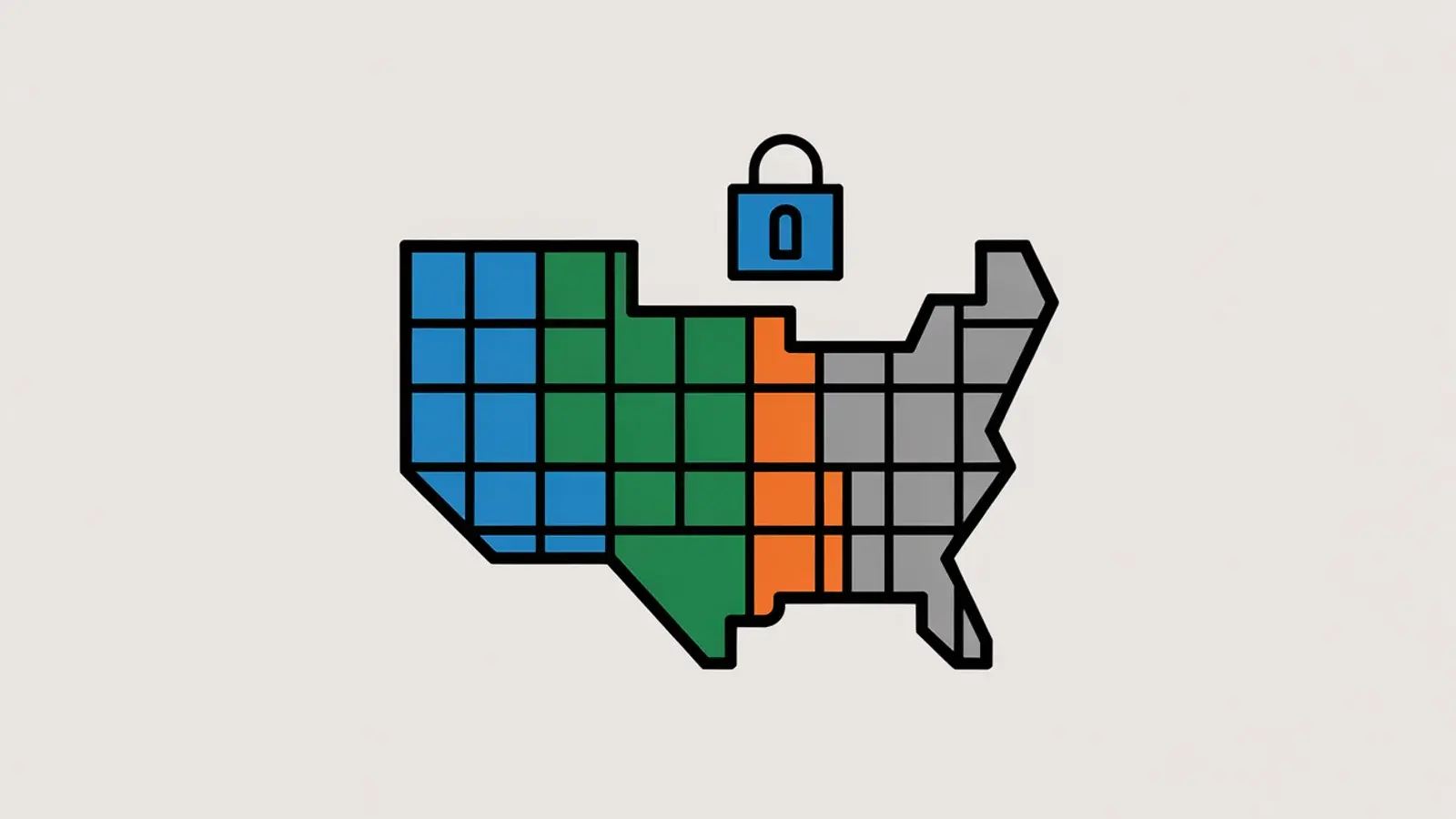
Today, about 14 states plus the District of Columbia have deregulated residential electricity markets. The rest operate under traditional regulated monopolies where a single utility handles everything.
The deregulated states
The following states have deregulated residential electricity markets where customers can choose their generation supplier. Market maturity and competitive intensity vary significantly.
Texas
Deregulated in 2002. Texas has the most fully competitive electricity market in the country. Most of the state operates on the ERCOT grid, which is largely isolated from neighboring grids. Unlike other deregulated states, Texas has no utility “default service” — if you don't choose a supplier, you're assigned to a Provider of Last Resort at potentially unfavorable rates. The state's Power to Choose website lists hundreds of plans. Major utilities include Oncor, CenterPoint, and AEP Texas (delivery only — they don't sell generation).
Pennsylvania
Deregulated in 1996, one of the first states to do so. Pennsylvania has a mature competitive market with dozens of licensed suppliers. Utilities (PECO, PPL, Duquesne Light, the FirstEnergy companies) serve as Provider of Last Resort for customers who don't choose a supplier. The state's PA Power Switch website lets customers compare all licensed suppliers. Volt Butler covers Pennsylvania extensively.
Ohio
Deregulated in 2001. Ohio's competitive market has grown steadily. Major utilities include AEP Ohio, Duke Energy Ohio, and FirstEnergy's Ohio companies. The Public Utilities Commission of Ohio (PUCO) maintains an “Apples to Apples” comparison chart. Customers who don't choose a supplier receive default service from their utility.
New York
Deregulated in 1996. New York has a complex utility landscape with multiple service territories: Con Edison serves New York City and Westchester, National Grid serves upstate areas, NYSEG, RG&E, Central Hudson, and Orange & Rockland cover other regions. The competitive market is active, though supplier availability varies by territory.
New Jersey
Deregulated in 1999. New Jersey has a mature competitive market. Major utilities include PSE&G, JCP&L, and Atlantic City Electric. The state's NJ Energy Choice website provides supplier comparisons.
Maryland
Deregulated in 1999. Maryland has an active competitive market with multiple suppliers. Major utilities include BGE (Baltimore Gas and Electric), Pepco, and Delmarva Power. The Maryland Public Service Commission oversees supplier licensing.
Massachusetts
Deregulated in 1998. Massachusetts has robust supplier competition, particularly in the Eversource and National Grid territories. Energy Switch MA is the state's comparison tool. The state also has active Community Choice Aggregation programs.
Illinois
Deregulated in 1997. Illinois is divided between ComEd (northern Illinois, including Chicago) and Ameren (central and southern Illinois). Both territories have competitive supplier markets, though ComEd's is more active.
Connecticut
Deregulated in 2000. Connecticut's market includes Eversource and United Illuminating territories. The state has competitive supplier options, though the market is smaller than neighboring states.
Maine
Deregulated in 2000. Maine's competitive market is active, with Central Maine Power and Versant Power handling delivery. The state has seen significant supplier participation.
New Hampshire
Deregulated in 2003. New Hampshire has a competitive market with Eversource, Liberty Utilities, and Unitil as delivery utilities. The state's market is smaller but functional.
Rhode Island
Deregulated in 1997. Rhode Island's market is dominated by National Grid for delivery. The state has competitive supplier options for residential customers.
Delaware
Delaware has partial deregulation. Delmarva Power serves most of the state. Competitive supplier options exist but are more limited than in neighboring states.
District of Columbia
Deregulated in 2001. Pepco handles delivery in DC. The district has an active competitive market with multiple supplier options.
Michigan (partial)
Michigan has limited deregulation — a “choice program” caps competitive supplier enrollment at approximately 10% of each utility's load. This means most Michigan residents cannot choose a competitive supplier even if they want to. DTE Energy and Consumers Energy are the major utilities.
➤Compare suppliers in PennsylvaniaThe regulated states
Most U.S. states — about 36 — operate under traditional regulated utility monopolies. In these states, a single utility (or a small number of regional utilities) handles both electricity generation and delivery. Rates are set by the state public utility commission through rate cases, not by market competition.
Notable regulated states include:
- California — despite its early deregulation attempt, California returned to a largely regulated model after the 2000-2001 energy crisis. The state has Community Choice Aggregation programs but not full retail competition.
- Florida— fully regulated, with FPL (Florida Power & Light), Duke Energy Florida, and Tampa Electric as major utilities.
- Georgia — regulated, with Georgia Power as the dominant utility.
- Washington — regulated, with low rates due to abundant hydropower.
- North Carolina, South Carolina — regulated, with Duke Energy as a major utility in both.
Regulation isn't inherently better or worse than deregulation. Some regulated states have very low rates (Washington, due to hydropower). Some have high rates. The same is true of deregulated states. The difference is whether customers have individual choice or rely on regulatory oversight to protect their interests.
How to know if your state is deregulated
Not sure whether you can choose your electricity supplier? Check these indicators:
Look at your electricity bill
In deregulated markets, bills typically show separate charges for “supply” (or “generation”) and “delivery” (or “distribution”). If your bill lumps everything together without distinguishing these components, you're likely in a regulated market.
Search for your state's shopping site
Deregulated states typically have official comparison websites:
- Pennsylvania: PA Power Switch
- Texas: Power to Choose
- Massachusetts: Energy Switch MA
- New Jersey: NJ Energy Choice
- Ohio: PUCO Apples to Apples
If your state has such a site, you have choice.
Check for competitive marketing
In deregulated markets, competitive suppliers actively market to customers — through mailers, online ads, and sometimes door-to-door sales. If you've received offers from multiple electricity companies, your market is likely deregulated. (Note: aggressive marketing can include scam tactics, so verify any offer carefully.)
What deregulation means for shopping
In deregulated states
Customers can shop for competitive suppliers and often save money compared to utility default rates. Savings of 10-30% are possible for engaged shoppers who compare rates and read contract terms carefully. However, the responsibility shifts to you: choose poorly (or don't choose at all and stay on default service), and you may pay more than necessary.
Shopping requires understanding effective rates vs. advertised rates, reading Plan Information Documents, and avoiding common switching mistakes. The effort is worthwhile for most customers, but it is effort.
In regulated states
Customers stay with their utility at rates determined by the public utility commission. You can't shop for generation, but you can focus on reducing usage (efficiency improvements, behavioral changes) and participating in rate case proceedings if you want to influence rates.
Hybrid situations
Some states have Community Choice Aggregation (CCA) programs that allow local governments to negotiate electricity supply on behalf of residents, even without full retail deregulation. CCA customers can typically opt out and return to utility service. This provides some benefits of group purchasing without requiring individual shopping.
➤Learn how to choose an electricity companyThe tradeoffs of deregulation
Deregulation has genuine benefits and genuine costs. Honest analysis requires acknowledging both.
Benefits of deregulation
- Competition can lower prices. When suppliers compete for customers, they have incentives to offer better rates.
- Customer choice. You can select plans that match your priorities — fixed vs. variable rates, green energy, no deposit, short-term flexibility.
- Innovation. Competitive markets encourage new products and services that regulated utilities might not develop.
- Transparency. Shopping requires price disclosure, which can make the market more transparent overall.
Costs and risks of deregulation
- Complexity. Customers must understand rates, contracts, and supplier reputations. Not everyone has time or inclination to shop effectively.
- Predatory marketing. Some suppliers use teaser rates, aggressive sales tactics, or misleading marketing. Consumer protection requires active enforcement.
- Supplier failures. Competitive suppliers can go out of business, requiring customer transitions to default service.
- Uneven benefits. Engaged shoppers save money; passive customers may pay more on default service or bad plans than they would under regulation.
Neither system is perfect. Deregulation works well when markets are competitive, consumers are informed, and regulators enforce rules against bad actors. Regulation works well when utilities are well-managed and commissions set fair rates. Both can fail.
Frequently asked questions
How do I know if I can choose my electricity supplier?
Check three things: (1) Does your electricity bill show separate “supply” and “delivery” charges? If so, you likely have choice. (2) Does your state have a public electricity shopping website? Pennsylvania has PA Power Switch, Texas has Power to Choose, Massachusetts has Energy Switch MA. (3) Are competitive suppliers marketing in your area? If you've received mailers or door-to-door visits from energy companies, your market is likely deregulated.
Are rates in deregulated states always cheaper than regulated states?
Not always. Deregulation creates the opportunity for lower rates through competition, but actual rates depend on wholesale market conditions, supplier competition levels, and individual shopping behavior. Some customers in deregulated states pay more than necessary because they don't shop or fall for teaser rates. Some regulated states have low rates due to abundant hydropower or other factors. The benefit of deregulation is choice, not a guarantee of lower prices.
Why hasn't every state deregulated?
States weigh tradeoffs differently. Deregulation requires building competitive market infrastructure, creates regulatory complexity, and shifts some risk to consumers. Some states saw early deregulation efforts fail (California's 2000-2001 energy crisis is the notable example). Others have low regulated rates and see limited benefit from introducing competition. Political factors, utility influence, and consumer advocacy positions all play roles in whether states pursue deregulation.
What's the difference between deregulation and community choice aggregation?
Deregulation allows individual customers to choose their own supplier. Community Choice Aggregation (CCA) allows local governments to choose a supplier on behalf of all residents in their jurisdiction, while customers can still opt out. CCA exists in some states (California, Massachusetts, New York, Illinois, others) that may or may not have full retail deregulation. CCA offers group buying power without requiring individual shopping.
Will my state ever deregulate if it's currently regulated?
It's difficult to predict. Deregulation trends have slowed since the early 2000s. No major state has fully deregulated residential electricity markets in recent years, and some states have moved away from deregulation after implementation challenges. If you're in a regulated state, focus on energy efficiency and rate case participation rather than waiting for deregulation that may not come.