Why suppliers sometimes exit markets
Competitive electricity suppliers operate in a challenging business environment. They purchase wholesale electricity (or generate it) and sell it to retail customers at a markup. When wholesale prices spike — due to fuel cost increases, extreme weather, or demand surges — suppliers with thin margins can find themselves selling electricity for less than it costs to acquire.
Common reasons suppliers exit markets include:
- Wholesale cost spikes. When wholesale electricity prices rise faster than suppliers can adjust retail rates, margins turn negative. Extended periods of loss can force exit.
- Hedging losses. Suppliers use financial contracts to hedge against price volatility. Bad hedges can create significant losses.
- Business strategy changes. Parent companies may decide to exit certain markets to focus on others, even if the local operation is profitable.
- Regulatory changes. Changes in state regulations can make certain markets less attractive.
Supplier exits are uncommon but not rare. Over the past decade, dozens of competitive suppliers have exited various state markets. The regulatory framework anticipates this possibility and protects customers.
What happens to your electricity service
The most important thing to know: your electricity does not stop. The deregulated electricity market is designed with a safety net called Provider of Last Resort (POLR) or default service.
Service continues uninterrupted
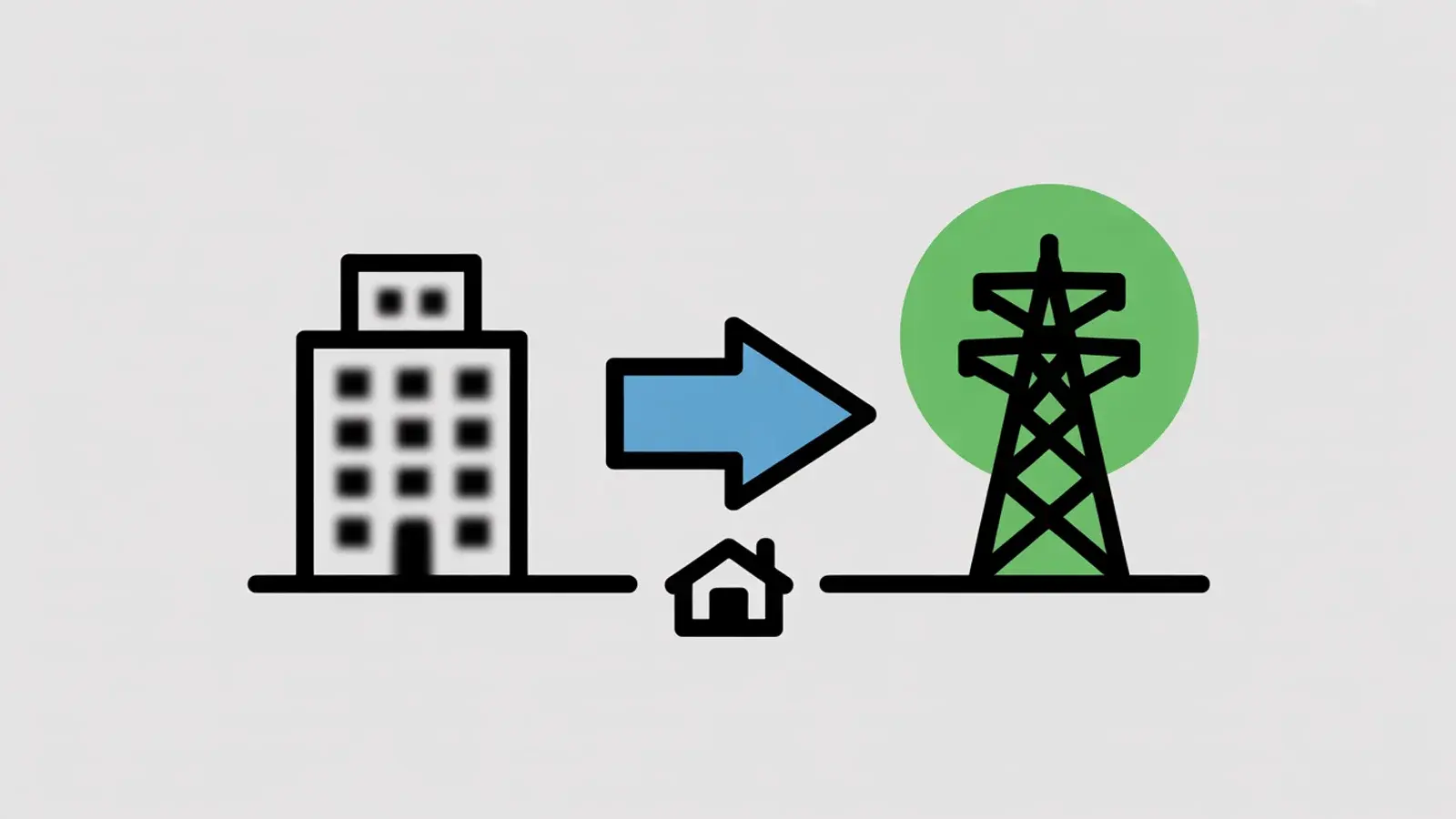
When a competitive supplier exits, all their customers automatically transfer to their local utility's default service. This happens seamlessly — there is no gap in service, no need to call anyone, no enrollment required on your part.
Remember: your utility was already delivering your electricity (they own the wires). Your competitive supplier was only providing the generation portion. When they exit, the utility takes over generation too. Your meter reading, billing, and delivery continue exactly as before.
You return to default service rates
Once your supplier exits, you'll pay your utility's default generation rate — the Price to Compare in Pennsylvania, or the equivalent in other states. This rate may be higher or lower than what you were paying your supplier, depending on current market conditions.
Default service isn't bad — it's competitively procured and regulated. But it may not be the best rate available. Once you're back on default, you can (and should) shop for a new competitive plan.
➤Compare plans after a supplier exitWhat happens to your contract
When a supplier exits the market, your contract with them ends. This has several implications:
No early termination fee
If you had a fixed-term contract with an early termination fee, you don't owe that fee. The supplier terminated the relationship, not you. ETFs only apply when the customer breaks the contract.
Deposits or credits owed to you
If you had a deposit with the supplier or were owed credits (perhaps from a referral program or billing correction), you should receive those back. The timing depends on whether the exit is orderly or a bankruptcy.
In an orderly wind-down, suppliers typically refund deposits within 30-60 days. In a bankruptcy, you may need to file a claim and wait longer — sometimes significantly longer.
Promotional rates disappear
If you had locked in a particularly good rate, that rate ends when the supplier exits. You don't carry it to your next supplier. The upside: you're free to shop for the best current offer without any contractual constraints.
The state regulator's role
State public utility commissions oversee supplier exits to protect consumers. Their responsibilities include:
- Ensuring proper customer notification. Suppliers must inform customers of their exit with adequate advance notice (typically 30-60 days).
- Coordinating the transition to default service.The PUC ensures utilities are prepared to absorb the exiting supplier's customers.
- Monitoring for orderly wind-down. The PUC tracks that customers receive refunds for deposits and credits.
- Publishing information.The PUC's website typically has updates on any supplier exits affecting customers in the state.
How to know if your supplier is at risk
There is no foolproof way to predict which suppliers will exit, but some indicators may warrant attention.
Public financial reports
If your supplier is publicly traded or owned by a publicly traded parent, financial reports may reveal distress. Significant losses, credit downgrades, or executive departures can be warning signs. However, most retail customers don't monitor these indicators.
News coverage
Supplier exits often generate news coverage — particularly in local business publications or industry trade press. A simple search for your supplier's name can surface relevant articles.
Customer service issues
Declining customer service quality — long hold times, unanswered emails, billing errors — can indicate a company in distress. Companies cutting costs before an exit may reduce customer service staffing. This isn't a definitive sign (plenty of stable companies have bad customer service), but it's worth noting.
Regulatory status
Your state PUC's website typically lists the license status of all approved suppliers. If a supplier is under investigation, has had its license suspended for new enrollments, or is required to post additional financial security, that information is usually public.
What to do if your supplier exits
When you receive notice that your supplier is exiting, follow these steps:
1. Continue paying your bills normally
During the transition period, keep paying your electricity bills as usual. Your utility billing continues uninterrupted. If you were on utility consolidated billing (supplier charges on your utility bill), nothing changes on your end.
2. Verify the transition completed
After the exit date, check your next bill to confirm you're now on your utility's default service. Your supplier name should no longer appear, or should show your utility's name as the generation provider.
3. Shop for a new competitive supplier
Don't stay on default service indefinitely if better rates are available. Use your state's comparison tool or marketplace to find a new competitive plan. You're now a free agent with no contract constraints.
4. Follow up on deposits or credits
If you were owed money from the exiting supplier, track the refund. Keep records of any deposit receipts or credit statements. If refunds are delayed, contact your state PUC for guidance.
➤Shop for a new supplier in your areaPennsylvania-specific notes
In Pennsylvania, the Provider of Last Resort (POLR) is your local electric utility — PECO, PPL, Duquesne Light, or one of the FirstEnergy utilities depending on your location. The transition to utility default service is automatic and seamless.
Key Pennsylvania-specific details:
- The PA PUC publishes notices about supplier exits on their website and requires suppliers to notify affected customers in writing.
- Default service rates (the Price to Compare) are competitively procured through auctions and change quarterly or semi-annually depending on the utility.
- After returning to default, you can shop for a new competitive supplier at any time with no waiting period.
Frequently asked questions
Will my electricity actually shut off if my supplier goes bankrupt?
No. Your electricity service continues uninterrupted. When a competitive supplier exits the market, your utility automatically becomes your generation supplier (this is called Provider of Last Resort or default service). The utility was already delivering your electricity; now they're also supplying it. Your lights stay on throughout the transition.
Do I owe an early termination fee if my supplier exits?
No. If a supplier exits the market or goes bankrupt, your contract obligations end. You don't owe an early termination fee because the supplier terminated the contract, not you. Any deposits or credits you were owed should be returned through the bankruptcy or wind-down process, though timing can vary.
How will I know my supplier is in trouble?
Suppliers are required to notify customers and regulators when exiting a market. You'll typically receive a letter explaining the exit timeline and what happens next. News coverage may precede official notice. Customer service issues — long hold times, billing errors, unanswered emails — can sometimes indicate a company in distress, though these aren't definitive signs.
Can I switch to a different supplier proactively if I'm worried?
Yes. If you're concerned about your supplier's stability, you can switch to a different supplier at any time (subject to any early termination fee in your current contract). However, switching proactively to avoid a hypothetical shutdown means paying any applicable ETF. Most customers wait for official notice before acting.
What's the difference between supplier shutdown and supplier suspension?
A shutdown means the supplier is completely exiting the market — all customers transition to default service. A suspension means the supplier's license to enroll new customers is temporarily revoked, but existing customers may continue service. Suspensions often precede shutdowns but don't always lead to them. Your state PUC's website will have the most current information on any supplier's license status.