What wholesale electricity markets are
Electricity flows through a supply chain before it reaches your outlet. Understanding that chain helps explain why your rates behave the way they do.
Step 1: Generation. Power plants — coal, natural gas, nuclear, wind, solar, hydro — produce electricity.
Step 2: Wholesale market. Generators sell their output to buyers: utilities (in regulated markets) and competitive suppliers (in deregulated markets). This is the wholesale market.
Step 3: Retail. Utilities and suppliers sell electricity to end customers at retail rates. This is what shows up on your bill.
The wholesale market is where step 2 happens. It's a trading platform where electricity is bought and sold in bulk, typically measured in megawatt-hours (MWh). Prices fluctuate based on supply, demand, fuel costs, weather, and grid conditions.
Wholesale markets are managed by Independent System Operators (ISOs) or Regional Transmission Organizations (RTOs) — neutral entities that coordinate the grid, dispatch generators, and operate the trading platform.
The major wholesale markets
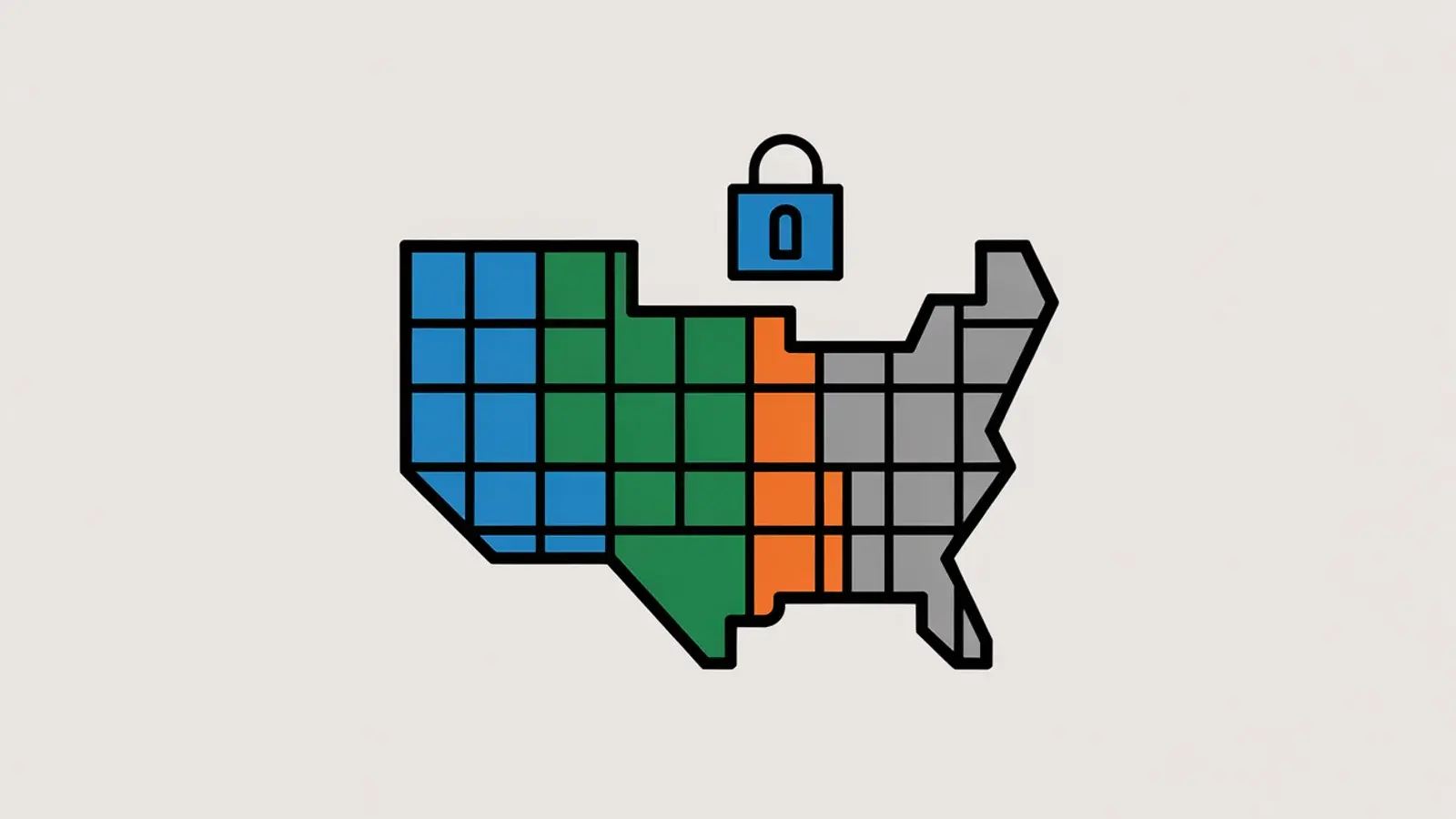
Seven major ISOs manage wholesale electricity markets across North America. Each covers a specific geographic region and has distinct characteristics.
PJM Interconnection
Region: Mid-Atlantic and parts of the Midwest — Pennsylvania, New Jersey, Maryland, Delaware, DC, Virginia, West Virginia, Ohio, parts of Illinois, Indiana, Kentucky, Michigan, North Carolina, and Tennessee.
Notable:PJM is the world's largest competitive wholesale electricity market, serving over 65 million people. It operates capacity markets that significantly affect future retail rates. Most of Volt Butler's current coverage falls within PJM territory.
ERCOT
Region: Most of Texas (excluding El Paso and parts of the Panhandle).
Notable:ERCOT operates largely independently from the rest of the U.S. grid — it has limited connections to neighboring regions. Texas has no capacity market; the “energy-only” market design means generators are paid only for the electricity they produce, not for being available. This creates more price volatility, as seen during extreme weather events.
MISO (Midcontinent ISO)
Region: Central U.S. and parts of Canada — portions of Arkansas, Illinois, Indiana, Iowa, Kentucky, Louisiana, Michigan, Minnesota, Mississippi, Missouri, Montana, North Dakota, South Dakota, Texas, Wisconsin, and Manitoba.
Notable: MISO covers a vast geographic area with diverse generation mix. It has seen significant wind power growth and manages one of the largest real-time energy markets.
NYISO
Region: New York state.
Notable:New York City's dense load and constrained transmission create distinct pricing zones within the state. Prices in NYC are often higher than upstate due to congestion.
ISO New England (ISO-NE)
Region: Connecticut, Maine, Massachusetts, New Hampshire, Rhode Island, Vermont.
Notable: New England faces winter reliability challenges due to natural gas pipeline constraints — the same pipelines that heat homes also fuel power plants.
CAISO (California ISO)
Region: California (most of the state).
Notable:California leads in solar penetration, creating the “duck curve” — abundant midday solar power followed by steep evening ramps when solar output drops. CAISO manages complex renewable integration challenges.
SPP (Southwest Power Pool)
Region: Central U.S. — portions of Arkansas, Iowa, Kansas, Louisiana, Minnesota, Missouri, Montana, Nebraska, New Mexico, North Dakota, Oklahoma, South Dakota, Texas, and Wyoming.
Notable: SPP has seen dramatic wind power growth, at times generating more than 70% of its electricity from wind.
➤See how wholesale prices affect PA ratesHow wholesale electricity is priced
Wholesale electricity pricing is complex, but understanding the basics helps explain retail rate movements.
Locational Marginal Pricing (LMP)
Most ISOs use Locational Marginal Pricing. The LMP at any point on the grid reflects the cost of delivering one more megawatt-hour to that location, accounting for generation costs and transmission constraints.
LMPs vary by location because electricity can't always flow freely — transmission lines have capacity limits. If a line is congested, the price on the constrained side rises. This is why New York City often has higher wholesale prices than upstate New York.
Day-ahead vs. real-time markets
Most ISOs operate two markets:
- Day-ahead market: Buyers and sellers commit to transactions 24 hours in advance. This allows planning and scheduling.
- Real-time market: Adjusts for actual conditions — demand that differs from forecasts, generator outages, weather changes. Prices can spike dramatically during unexpected events.
Capacity markets
Some ISOs (PJM, ISO-NE, NYISO) operate capacity markets in addition to energy markets. Capacity markets pay generators to be available during peak periods, even if they're not always running. This ensures reliability but adds costs that flow through to retail rates.
ERCOT notably does not have a capacity market — Texas relies on high energy prices during scarcity to incentivize generation investment. This design creates more price volatility but potentially lower average costs.
What moves wholesale prices
- Fuel costs: Natural gas prices heavily influence wholesale electricity prices in most regions, since gas plants often set the marginal price.
- Weather: Extreme heat or cold increases demand. Summer air conditioning loads and winter heating (in regions with electric heat) drive price spikes.
- Generator availability: Plant outages — planned maintenance or unexpected failures — reduce supply and can raise prices.
- Transmission constraints:When power can't flow freely due to line limits, local prices rise.
- Renewable output: High wind or solar production can drive prices very low (even negative) during certain hours.
Why this matters for retail customers
You don't buy electricity at wholesale prices — but wholesale prices eventually affect your retail rates.
Suppliers hedge wholesale exposure
When you sign a fixed-rate retail plan, your supplier commits to a price for 12 months (or whatever the term). They can't know what wholesale prices will be over that period, so they hedge — using financial contracts to lock in their costs in advance.
Hedging has costs. If wholesale prices drop after a supplier hedges, they've locked in higher costs than necessary. If prices rise, they benefit. These hedging decisions affect the rates suppliers offer.
Variable rates follow wholesale trends
Variable-rate plans expose customers to wholesale price movements, typically with a lag. When wholesale prices rise, variable retail rates follow. When wholesale prices fall, variable rates (eventually) drop too.
Major events ripple through to retail
Significant wholesale market events — like PJM's capacity auction results or major plant retirements — eventually reach retail customers. The timeline varies: capacity costs might take 2-3 years to fully flow through, while energy price spikes can appear more quickly on variable plans.
Recent trends affecting wholesale prices
Several structural factors are reshaping wholesale electricity markets:
Coal retirement
Coal plants are retiring across the country, reducing baseload supply. While coal has environmental costs, its retirement tightens supply-demand balance and can raise capacity prices.
Natural gas price volatility
Natural gas prices have been volatile due to export demand (LNG terminals), weather events affecting production, and pipeline constraints. Since gas plants often set marginal prices, this volatility flows through to wholesale electricity.
Renewable buildout
Wind and solar have zero fuel costs, so their marginal cost is essentially zero. During high-output periods, they push wholesale prices down — sometimes negative. But their intermittency creates new challenges for grid operators.
Data center demand growth
Data center electricity demand is growing rapidly, particularly in PJM territory. This adds load growth that the system must accommodate, potentially tightening supply-demand balance.
Capacity auction results
PJM's capacity auctions have seen dramatic price increases in recent years. The 2025/2026 auction cleared at prices 8-10 times higher than previous years in some zones — costs that will reach retail customers over time.
How to follow wholesale market trends
You don't need to become a wholesale market expert, but understanding major trends can help you anticipate retail rate changes.
ISO data and reports
PJM, ERCOT, MISO, and other ISOs publish extensive public data: real-time prices, capacity auction results, demand forecasts, and market reports. Most is available on their websites for free.
Trade publications
Energy industry publications cover wholesale market developments. Major news — plant retirements, auction results, regulatory changes — often appears in general business media too.
State PUC proceedings
State public utility commissions hold proceedings on utility rate cases and market issues. These dockets contain detailed analysis of how wholesale costs affect retail rates.
Timeline expectations
Wholesale price changes typically reach retail rates with a lag:
- Real-time energy price spikes: weeks to months on variable plans
- Sustained energy price trends: 3-12 months
- Capacity market results: 1-3 years
Frequently asked questions
Why doesn't my retail rate match wholesale prices?
Your retail rate includes much more than wholesale electricity costs. It also includes supplier margins, hedging costs (the expense of locking in prices ahead of time), transmission and distribution charges, taxes, fees, and regulatory costs. Wholesale prices are just one component — typically 40-60% of the total retail rate depending on your market.
How often do wholesale electricity prices change?
Wholesale prices change constantly — every five minutes in real-time markets. Day-ahead markets set prices 24 hours in advance. Most retail customers don't see these fluctuations directly because suppliers hedge their exposure and offer fixed or monthly-variable rates. Only customers on real-time pricing plans (rare for residential) see instant wholesale price changes.
What's the difference between ISOs and RTOs?
The terms are often used interchangeably. Technically, an ISO (Independent System Operator) manages the grid and wholesale market for a region, while an RTO (Regional Transmission Organization) has broader authority over transmission planning and reliability. In practice, most organizations function as both. PJM, MISO, and others operate as ISOs/RTOs — the distinction matters more to regulators than to consumers.
Who sets wholesale electricity prices?
No single entity “sets” wholesale prices. Prices emerge from market mechanisms managed by ISOs. Generators submit bids indicating how much power they can provide at what price. The ISO dispatches generators to meet demand, and the market-clearing price becomes the wholesale rate for that time period and location. Supply, demand, fuel costs, and grid constraints all influence the outcome.
Can I buy electricity at wholesale prices?
Not directly as a residential customer. Wholesale markets are for large-volume buyers: utilities, competitive suppliers, and large industrial customers. However, some retail suppliers offer plans that pass through wholesale prices with a fixed margin, giving you exposure to wholesale price movements (both up and down). These plans carry more risk but can save money if you're willing to accept price variability.