What green electricity plans actually are
When a Pennsylvania electricity supplier offers a "100% renewable" or "green energy" plan, they're not changing the physical electricity that flows to your home. The grid doesn't work that way—all generators feed into the same network, and electrons don't carry labels.
What green plans do is purchase Renewable Energy Credits (RECs) to match your electricity usage. For every kilowatt-hour you consume, the supplier retires a REC representing one kilowatt-hour of renewable generation. This financial mechanism supports renewable energy development without requiring a direct physical connection to a wind turbine or solar panel.
Think of it like carbon offsets for electricity. You're not changing what powers your home in a physical sense. You're funding renewable generation elsewhere on the grid. Whether this is "really" green is a matter of debate—but it is the standard meaning of green electricity in the retail market.
Understanding Renewable Energy Credits (RECs)
A REC is a tradable certificate representing the environmental benefits of one megawatt-hour (MWh) of renewable electricity generation. When a wind farm generates power, it creates two products:
- Electricity. The actual power, which flows into the grid and is purchased by utilities or sold on wholesale markets.
- RECs.The "renewable attributes" of that electricity, which can be sold separately to anyone who wants to claim they used renewable power.
This separation exists because the grid can't physically deliver specific electrons to specific customers. RECs are a workaround—a way to track and claim renewable generation without requiring direct physical delivery.
How RECs Work
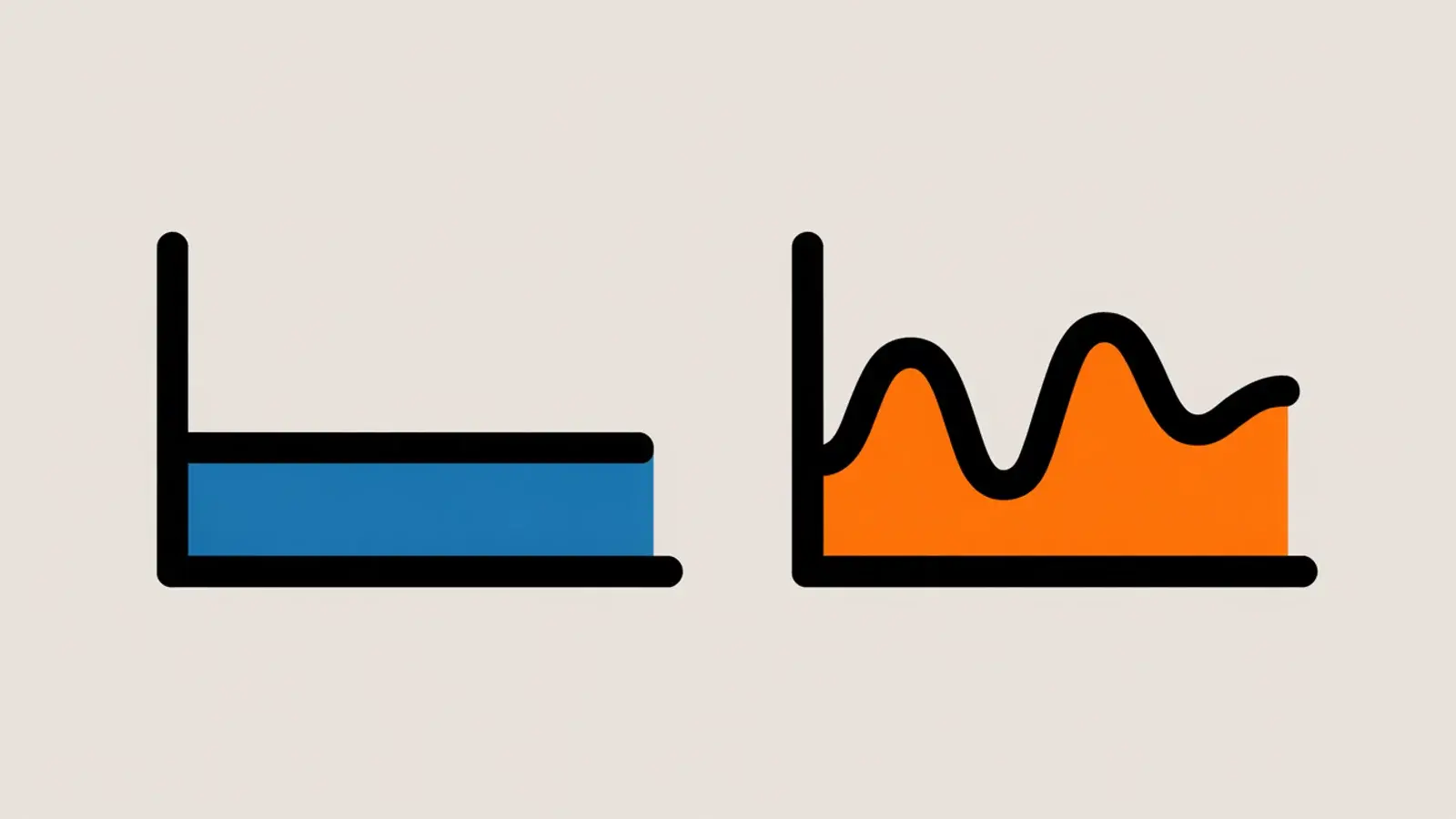
When a renewable source generates power, it creates both electricity (for the grid) and RECs (tradable certificates).
When you sign up for a green electricity plan, the supplier purchases RECs to match your usage. If you use 1,000 kWh in a month, they retire 1 REC (1 MWh = 1,000 kWh) on your behalf. This REC came from some renewable source—wind, solar, hydro, or other qualifying generation—somewhere in the grid region.
Where RECs come from
RECs can come from various renewable sources:
- Wind farms
- Solar installations (utility-scale and distributed)
- Hydroelectric plants
- Biomass facilities
- Landfill gas projects
- Other qualifying renewables
The specific source depends on what RECs the supplier purchases. Some suppliers source RECs from wind farms in the regional grid (PJM Interconnection, which includes Pennsylvania). Others may purchase RECs from anywhere in the country, including sources far from Pennsylvania.
The grid reality
Here's the part that confuses many consumers: when you sign up for a 100% renewable plan, the physical electrons powering your home don't change. Pennsylvania's electricity comes from a mix of generation sources—natural gas, nuclear, coal, wind, solar, and hydro—all feeding into the same grid.
Your toaster doesn't suddenly run on wind power because you signed up for a green plan. The electrons are indistinguishable. What changes is the accounting: the supplier matches your usage with RECs, financially supporting renewable generation even though the physical delivery is unchanged.
This doesn't mean green plans are meaningless. RECs create demand for renewable generation. When suppliers buy RECs, they're effectively paying renewable generators for their environmental attributes, which helps those projects remain financially viable and encourages new development. The mechanism is indirect, but it does channel money toward renewables.
Pennsylvania's renewable standard
Pennsylvania established renewable energy requirements through the Alternative Energy Portfolio Standards (AEPS) Act of 2004. This law requires electricity suppliers to source a portion of their power from alternative energy sources, including renewables.
The AEPS sets a baseline that all suppliers must meet. When a supplier offers a "100% renewable" plan, they're going beyond this baseline—purchasing additional RECs to cover your full usage, not just the minimum required by law.
This means that even standard (non-green) electricity plans in Pennsylvania include some renewable content due to the AEPS requirement. Green plans add to this baseline, not replace it.
➤Compare green energy plans in your areaHow to find green plans
PA Power Switch, the official PUC comparison site, includes a filter for renewable energy content. You can specifically search for plans that offer higher renewable percentages—50%, 100%, or other levels.
When comparing green plans, look at:
- Renewable percentage."100% renewable" means fully matched with RECs. "50% renewable" means half your usage is matched. Some plans offer incremental levels.
- Rate.Compare the per-kWh rate to both standard supplier rates and your utility's Price to Compare. A green plan might be cheaper than default service in some cases.
- Fixed vs. variable. Green plans come in both fixed-rate and variable-rate structures, with the same trade-offs as non-green plans.
- Contract terms. Check the term length, early termination fees, and renewal provisions. These matter regardless of renewable content.
The cost question
Green plans sometimes carry a premium over standard plans, but not always. REC prices fluctuate with supply and demand. When RECs are cheap, green plans may be competitively priced or even cheaper than some standard offerings. When RECs are expensive, you may pay more for renewable content.
The premium, when it exists, is typically modest—often a fraction of a cent per kWh. For a household using 1,000 kWh per month, a 0.5¢/kWh premium adds about $5 to your monthly bill. Whether that's worth it depends on how much you value supporting renewable generation.
Some customers are surprised to find green plans that are cheaper than their current rate. This can happen when REC prices are low and the supplier offers competitive generation rates. Don't assume green means more expensive—compare the actual rates.
How to verify a plan is legitimately green
Not all "green" claims are equally meaningful. Here's how to evaluate:
- Check the disclosure statement. Pennsylvania requires suppliers to provide standardized disclosures. The disclosure should specify the renewable percentage and REC sourcing. Vague claims without specifics are a warning sign.
- Look for certification. Third-party certifications like Green-e verify that RECs are properly sourced and retired. A Green-e certified plan has been independently verified.
- Ask about REC origin. Some suppliers source RECs from the regional grid (PJM), while others buy from anywhere nationally. Regional RECs arguably have more impact on local renewable development.
- Understand "blended" plans. Plans offering 25%, 50%, or 75% renewable mix RECs with standard generation. Make sure you know what percentage is actually renewable.
Red flags
- Vague "green" or "clean" marketing without specific renewable percentages
- No mention of RECs or how renewable claims are substantiated
- Extremely low prices that seem too good for a green premium
- Lack of disclosure about REC sourcing or certification
Is green electricity worth it?
This depends on your priorities and how you view the REC mechanism. Here are the perspectives:
The case for green plans
- Financial support for renewables. REC purchases direct money to renewable generators, helping those projects remain economically viable.
- Market signal. Consumer demand for green plans signals to the market that renewables are valued, potentially spurring additional investment.
- Personal alignment. For some customers, matching their usage with renewable generation aligns with their values, even if the electrons are the same.
- Sometimes no premium. When green plans are price-competitive, you can support renewables without paying more.
The skeptical view
- Physical reality unchanged.The actual power mix in Pennsylvania doesn't change because of your individual plan choice. The grid remains the grid.
- Additionality questions.Some RECs come from projects that would exist anyway. Critics argue that RECs don't always represent "additional" renewable generation.
- Premium goes to middlemen. Some of the green premium may go to supplier margins rather than directly to renewable development.
There's no definitive answer. If you want to support renewable energy and green plans are reasonably priced, they're a straightforward way to do so. If you're skeptical of the REC mechanism, you might prefer other approaches—installing rooftop solar, for example, directly reduces grid demand.
➤See available green plans by entering your ZIP codeFrequently asked questions
What does "100% renewable" electricity actually mean?
When a supplier offers "100% renewable" electricity, they purchase Renewable Energy Credits (RECs) to match your usage. The actual electrons flowing to your home come from the grid's general supply, which includes all generation sources. RECs fund renewable generation but don't change what physically powers your home.
What are Renewable Energy Credits (RECs)?
A REC represents the environmental attributes of one megawatt-hour of renewable electricity generation. When a wind farm or solar plant generates power, it creates both electricity (which goes to the grid) and RECs (which can be sold separately). Buying RECs supports renewable generation financially.
Are green energy plans more expensive in Pennsylvania?
Not necessarily. Some green plans carry a small premium, while others are competitively priced or even cheaper. REC prices vary with market conditions. Compare green plans against both standard supplier rates and your Price to Compare.
Does Pennsylvania have a renewable energy standard?
Yes. Pennsylvania's Alternative Energy Portfolio Standards (AEPS) Act of 2004 requires suppliers to source a portion of their electricity from alternative energy sources. Green plans that offer higher renewable content go beyond this minimum requirement.
How can I verify a green plan is legitimate?
Look for details about REC sourcing in the supplier's disclosure. Legitimate plans specify where RECs come from and whether they're certified. Third-party certifications like Green-e provide additional verification. Be skeptical of vague "green" claims without specifics.