What are demand charges?
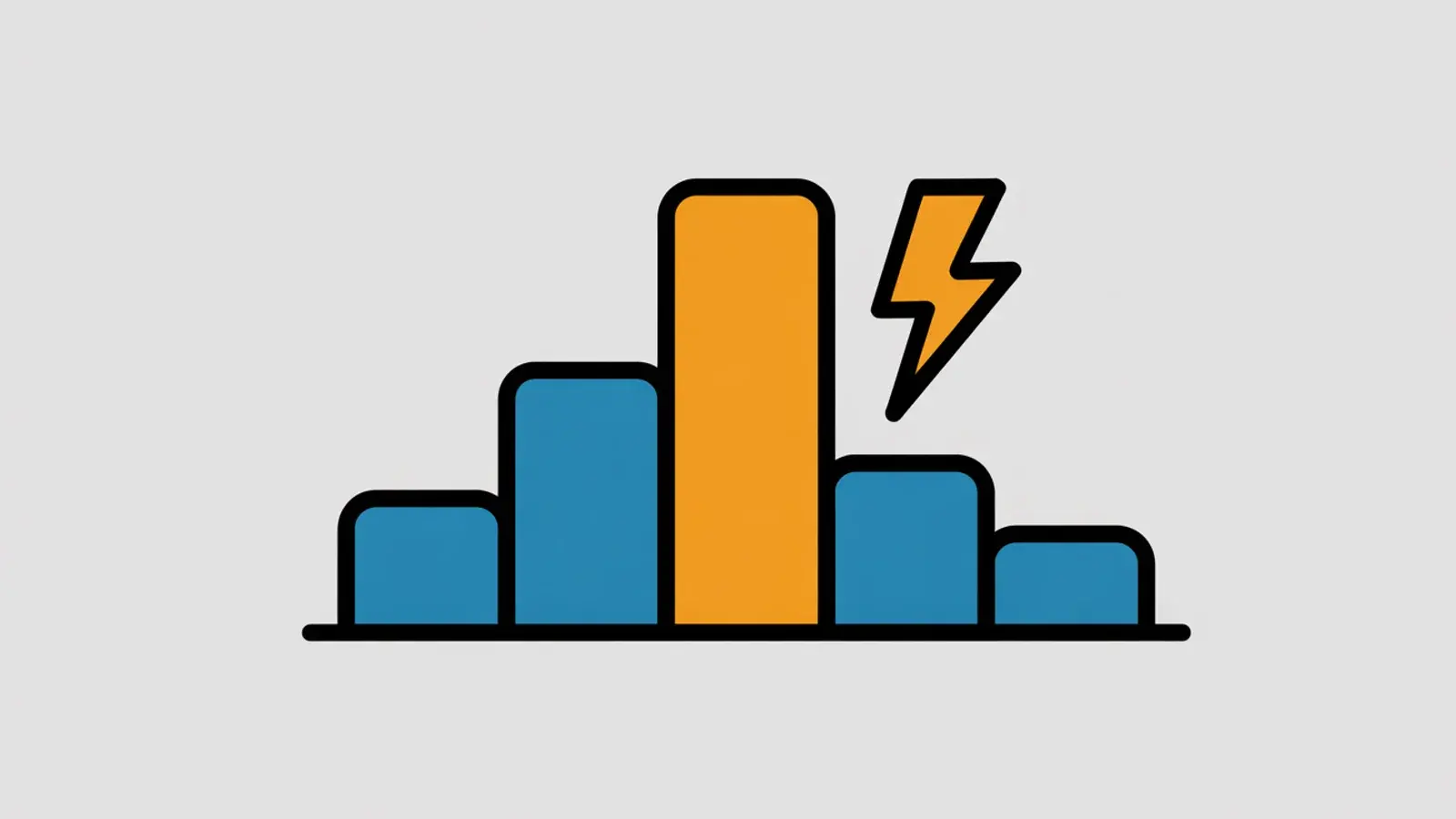
A demand charge is a fee based on your peak power draw during a billing period. Unlike energy charges (which add up everything you used), demand charges capture the maximum rate at which you pulled electricity from the grid.
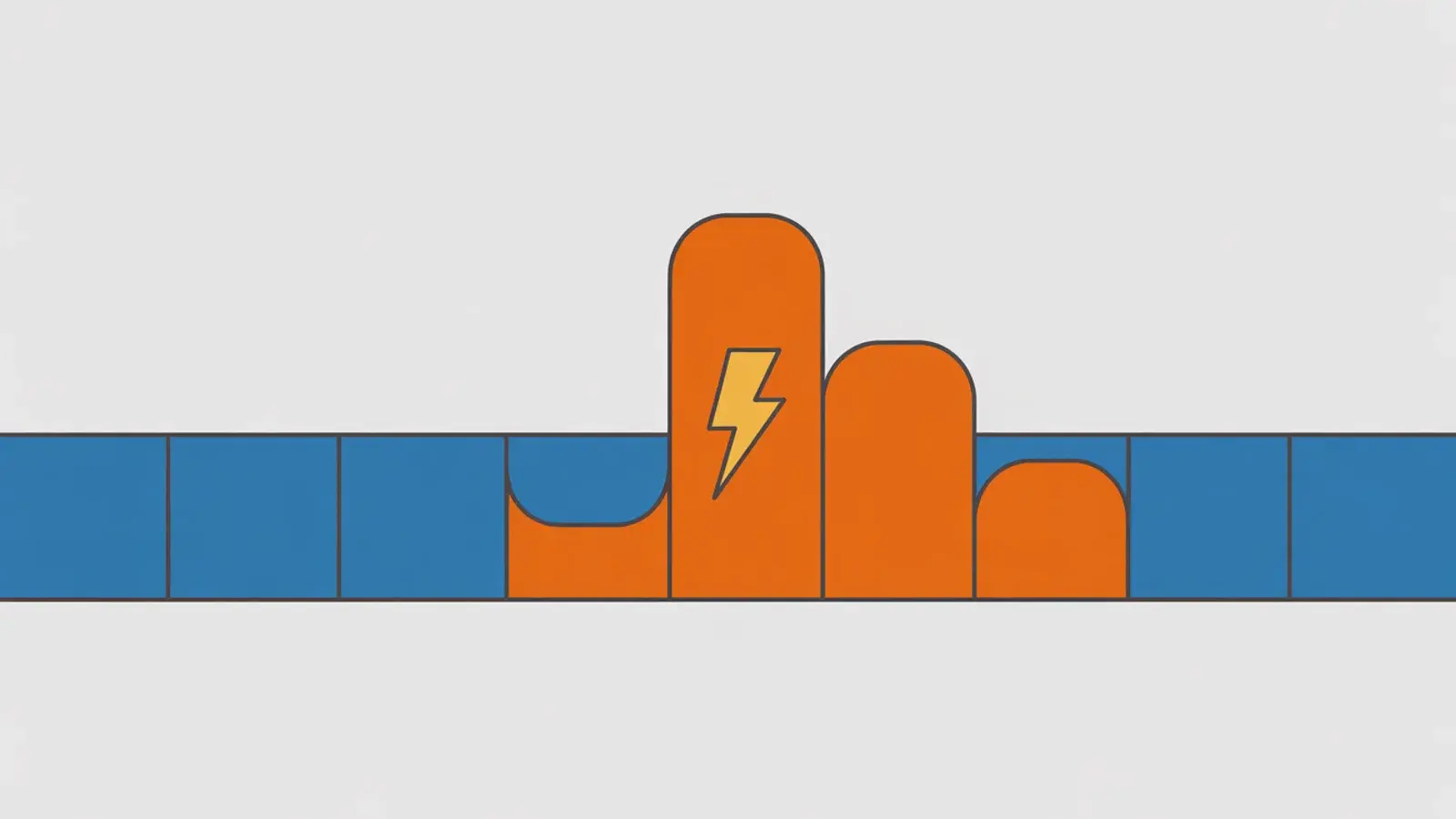
Utilities typically measure demand in 15-minute intervals. Your demand charge for the month is set by your single highest 15-minute average. Run your air conditioner, EV charger, dryer, and oven simultaneously for 15 minutes, and that spike determines your demand charge — even if you used far less power the rest of the month.
For commercial and industrial customers, demand charges often represent 30% to 70% of the total electricity bill. The exact percentage depends on the rate structure and how “peaky” the customer's load profile is.
The difference between kW and kWh
Understanding demand charges requires distinguishing between power and energy. They're related but measured differently.
Power (kW)
Power measures the rate of energy flow at any instant. It's measured in kilowatts (kW). A 10 kW load means you're drawing 10,000 watts of power right now.
Think of power as the speedometer in a car — it tells you how fast energy is flowing at this moment, not how much you've used overall.
Energy (kWh)
Energy measures total consumption over time. It's measured in kilowatt-hours (kWh). A 10 kW load running for 1 hour consumes 10 kWh. The same load running for 6 hours consumes 60 kWh.
Energy is the odometer — it accumulates over time. Your electricity bill's main charges are typically based on kWh consumed.
Why the distinction matters
Two customers can use the same total kWh but create very different demands on the grid:
- Customer A: Uses 1,000 kWh spread evenly across the month (constant 1.4 kW draw)
- Customer B: Uses 1,000 kWh but with sharp peaks of 20 kW during certain hours
Customer B requires the utility to maintain infrastructure capable of delivering 20 kW on demand. That infrastructure sits idle most of the time but must exist for those peak moments. Demand charges allocate infrastructure costs to the customers who drive them.
Why demand charges exist
The electricity grid must be built to handle peak load, not average load. Every transformer, wire, and substation must be sized for the maximum power that might flow through it. If your neighborhood hits peak demand at 6 PM on a hot August evening, the infrastructure must handle that peak — even if average demand is half as much.
This creates a cost allocation problem. Someone has to pay for infrastructure that handles peaks. There are two approaches:
- Spread costs across all kWh: Everyone pays the same rate per kWh, regardless of when or how fast they use power. Peaky users are subsidized by steady users.
- Charge separately for peak demand: Users who create peaks pay for the infrastructure required to serve those peaks. Steady users pay less.
Demand charges implement the second approach. They're essentially a capacity reservation fee — you're paying to have a certain amount of grid capacity available when you want it.
➤Compare rates in your areaWho pays demand charges today
Commercial and industrial customers
Demand charges are standard for businesses. Most commercial rate schedules include both an energy charge (per kWh) and a demand charge (per kW of peak demand). Large industrial facilities may pay demand charges that dwarf their energy charges.
For these customers, demand management is a major focus. Factories schedule production to avoid peaks. Retailers stagger HVAC startup times. Data centers use sophisticated controls to keep demand flat.
Most residential customers — not yet
Traditional residential rates don't include demand charges. Your bill shows kWh used and a rate per kWh. Peak demand isn't explicitly metered or billed.
This made sense historically because residential loads were relatively similar and steady. Lights, refrigerators, and TVs don't create dramatic peaks. The infrastructure cost per home was roughly equal, so spreading costs across kWh was a reasonable approximation.
The residential exception: some utilities now charge for demand
Some utilities have introduced residential demand charges, particularly for customers with:
- EV chargers: A Level 2 home charger can draw 7-19 kW, significantly above typical household loads
- Electric heating: Heat pumps and especially resistance heating create high peak loads
- Solar-plus-battery: Some rate structures charge for peak grid demand even if you have solar
- Large homes: Multiple HVAC zones, pools, hot tubs create higher peak capacity needs
Arizona's Salt River Project was an early adopter of residential demand charges. Several California utilities offer optional demand-based rates. As electrification increases (EVs, heat pumps, electric cooking), expect more utilities to follow.
How demand charges are calculated
The basic formula is straightforward:
Demand charge = peak kW × demand rate ($/kW)
But the details matter:
Measurement interval
Most utilities use 15-minute intervals. Your meter records average power draw during each 15-minute block. The highest 15-minute average in the billing period sets your demand. Some utilities use 30-minute or 60-minute intervals.
Peak period restrictions
Some demand charges only measure peak demand during certain hours (e.g., 2 PM to 8 PM on weekdays). Off-peak demand doesn't count toward the charge. This encourages load shifting.
Ratchet clauses
Some commercial rates include ratchet clauses where your demand charge is based on a percentage (e.g., 80%) of your highest peak in the past 12 months. One bad month can affect bills for a year.
Example calculation
A small business has a demand rate of $12 per kW. During the month, their highest 15-minute average was 45 kW (AC startup plus kitchen equipment plus refrigeration). Their demand charge: 45 kW × $12/kW = $540 — regardless of how little power they used the rest of the month.
When residential demand charges might apply
Even if your utility doesn't explicitly bill for demand today, understanding these charges helps you:
- Anticipate future rate structures: Many utilities are moving toward demand-based pricing as grid loads become more variable with EVs and solar
- Understand time-of-use rates: TOU rates are a simpler version of the same concept — higher prices when system demand peaks
- Evaluate rate options: Some utilities offer optional demand-based rates that may save money for customers with flat load profiles
Signs your utility might introduce residential demand charges
- High EV adoption rates in your service territory
- Aggressive electrification policies (heat pump mandates, gas bans)
- Smart meter rollout enabling interval data collection
- Rate case filings mentioning “cost causation” or “load profile diversity”
How to manage demand
For customers paying demand charges, or anticipating them, these strategies help:
Stagger high-power loads
The simplest approach: don't run everything simultaneously. Charge your EV overnight rather than when you're cooking dinner. Run the dishwasher after the dryer finishes, not during. Use timers and smart plugs to spread loads across time.
Shift loads to off-peak periods
If your demand charge only measures peak hours, run high-draw activities outside those windows. Pre-cool your home before the peak period. Charge EVs overnight.
Install demand management controls
For commercial customers, demand controllers automatically shed non-critical loads when demand approaches a threshold. Residential equivalents are emerging — smart panels and home energy management systems that coordinate loads.
Consider battery storage
Batteries can shave peaks by supplementing grid power during high-draw moments. When your EV charger wants 10 kW and your AC wants 5 kW, a battery can supply part of the load, reducing your grid demand to perhaps 8 kW instead of 15 kW.
Right-size your equipment
A 50-amp EV charger creates higher peak demand than a 32-amp charger. An oversized HVAC system draws more power at startup than a properly sized unit. Sometimes lower-capacity equipment is cheaper in the long run when demand charges are considered.
Frequently asked questions
What is a demand charge on an electricity bill?
A demand charge is based on your peak power draw (measured in kilowatts) during a billing period, not your total energy consumption. It reflects the maximum rate at which you pulled electricity from the grid, typically measured in 15-minute intervals. The highest interval sets your demand charge for the month.
What is the difference between kW and kWh?
kW (kilowatts) measures power — how fast you're using electricity at any moment. kWh (kilowatt-hours) measures energy — total electricity consumed over time. Think of kW as the speedometer and kWh as the odometer. Demand charges are based on kW; most residential charges are based on kWh.
Do residential customers pay demand charges?
Most residential customers don't pay explicit demand charges today. They're standard for commercial and industrial accounts. However, some utilities are introducing residential demand charges for customers with high peak loads, such as homes with EV chargers, electric heating, or solar-plus-battery systems.
How can I lower my demand charges?
Lower demand charges by spreading high-power activities across time rather than running them simultaneously. Avoid running the EV charger, dryer, and oven at the same time. Use timers and smart controls to stagger loads. Battery storage can also shave peak demand by supplementing grid power during high-draw periods.
Why do utilities charge for demand separately from energy?
Utilities must build infrastructure to handle peak demand — power plants, transformers, and wires sized for the highest load, not average load. Demand charges recover these infrastructure costs from the customers who drive them. A factory that draws 500 kW for one hour per day costs more to serve than one that draws 50 kW for ten hours, even if both use the same kWh.