What time-of-use pricing is
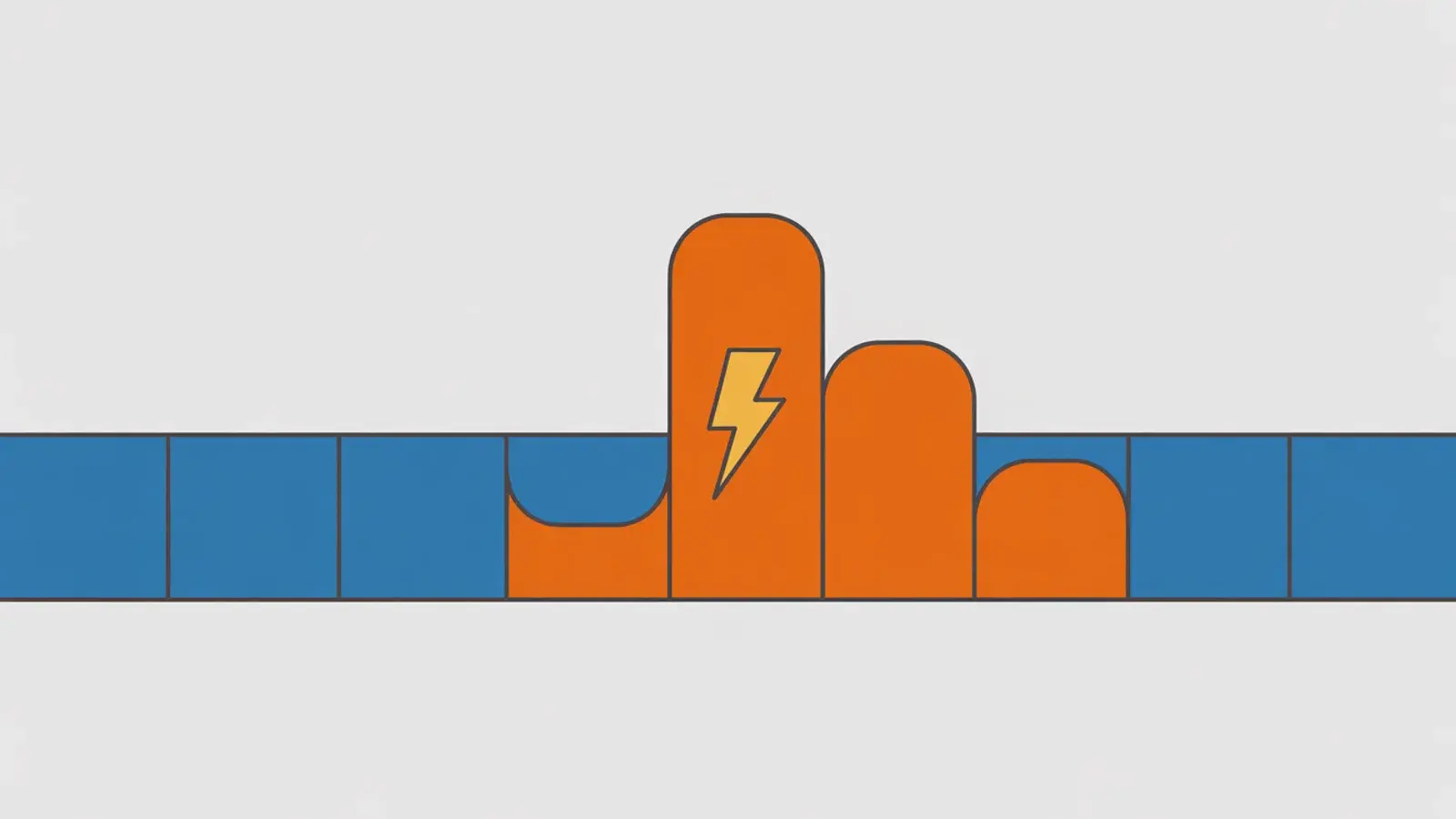
Time-of-use electricity rates vary by the hour. Unlike flat-rate plans where you pay the same price per kWh regardless of when you use it, TOU plans charge more during periods of high demand and less when demand is low.
The logic is straightforward: electricity is more expensive to produce during peak demand hours. Power plants that only run during high-demand periods (often natural gas “peaker” plants) have higher costs per kWh than baseload plants running 24/7. Transmission lines also get congested during peak hours. TOU pricing passes these real cost variations to consumers.
From the grid's perspective, TOU pricing encourages consumers to shift usage to off-peak hours, reducing strain during peak periods. From your perspective, it's an opportunity to lower your bill — if your usage pattern allows flexibility.
When peak and off-peak hours occur
Exact hours vary by utility territory and season, but most TOU plans follow a similar pattern.
Peak hours (most expensive)
Typically weekday afternoons through early evening — roughly 2 PM to 7 PM or 3 PM to 8 PM. This is when residential demand spikes: people come home from work, air conditioning runs hardest on summer days, and cooking begins. Peak rates are often 50-100% higher than off-peak rates.
Off-peak hours (cheapest)
Late night through early morning — often 9 PM to 6 AM or 10 PM to 7 AM. During these hours, most residential customers are asleep, commercial buildings are closed, and grid demand is lowest. Off-peak rates are the plan's headline discount.
Mid-peak or shoulder hours
Some TOU plans have a middle tier covering mornings and late evenings — periods between true peak and true off-peak. Mid-peak rates fall between the two extremes. Not all plans have this tier; some just use peak and off-peak.
Weekends and holidays
Most TOU plans charge off-peak rates all day on weekends and major holidays. Without commercial demand, grid stress is lower even during afternoon hours.
Seasonal variation
Some plans have different peak/off-peak schedules for summer vs. winter. Summer peak hours may extend later (through evening AC usage) while winter peak hours may shift earlier (morning heating). Check your plan for season-specific schedules.
➤Compare rate structures in your areaWho benefits from TOU rates
TOU pricing rewards flexibility. If you control when your major electricity usage happens, you can potentially save money. Here's who typically benefits:
EV owners
Electric vehicle charging is highly flexible. You plug in when you get home; the car doesn't care when it actually charges. Set a delayed charging schedule to start after 9 PM (or whenever off-peak begins) and charge at the cheapest rates. Since EV charging can add 300-500 kWh/month to your usage, the savings from off-peak charging are substantial.
Households with programmable appliances
Modern dishwashers, washing machines, and dryers often have delay-start features. Load the dishwasher after dinner; set it to run at 2 AM. Schedule laundry for early morning. These appliances don't care when they run, only that they finish by the time you need them.
Work-outside-the-home households
If no one is home during peak hours (2-7 PM), your peak usage is naturally low. You're not running AC, cooking, or using entertainment systems during the most expensive hours. TOU rates reward your already-favorable usage pattern.
Early risers and night owls
If your household schedule naturally aligns with off-peak hours — perhaps you wake early, eat dinner late, or stay up past midnight — TOU rates fit your lifestyle.
Who pays more under TOU rates
TOU pricing isn't for everyone. Some households pay more under TOU than they would with a flat rate.
Work-from-home households
If you're home during peak hours running computers, air conditioning, and making lunch, you're consuming during the expensive window. Remote workers often pay more under TOU unless they're disciplined about pre-cooling, shifting usage, and tolerating some discomfort during peak hours.
Families with young children
Afternoon snacks, homework time, early dinners, and bath time all fall during peak hours. Shifting family routines to accommodate electricity pricing may not be practical or desirable.
Home-based caregivers
If you care for children, elderly relatives, or anyone who needs a comfortable environment during peak hours, you can't simply raise the thermostat to save money.
Medical equipment users
If medical equipment runs continuously regardless of time of day, you have limited ability to shift that usage. TOU pricing doesn't help households with inflexible medical needs.
Strategies to shift usage to off-peak hours
If you want to make TOU pricing work, here are practical strategies to move usage into cheaper hours.
Pre-cool your home
If you have central AC, run it harder during mid-peak or early-peak hours to pre-cool your home, then raise the thermostat during peak hours. The thermal mass of your home will hold the cool air for several hours. This shifts AC usage away from the most expensive window.
Delay appliance starts
Use delay timers on dishwashers, washing machines, and dryers. Load them in the evening; schedule them to run overnight or early morning. Modern appliances make this easy.
Charge EVs after 9 PM
Most EVs and Level 2 chargers support scheduled charging. Set yours to begin charging after off-peak hours start. You'll have a full battery by morning at the lowest rate.
Cook strategically
Electric ovens and stovetops are significant loads. Consider batch cooking on weekends (off-peak all day) or using smaller appliances like microwaves, Instant Pots, or air fryers during peak hours instead of full-size ovens.
Shift water heating
If you have an electric water heater with a timer, schedule it to heat water during off-peak hours. A well-insulated tank will hold hot water through the day. Heat pump water heaters are especially efficient for this strategy.
Pool pump scheduling
Pool pumps are significant loads. Run them overnight instead of during the day. The pool doesn't care when it's filtered.
How to calculate whether TOU saves you money
Before switching to TOU, estimate your costs under both flat-rate and TOU pricing.
Step 1: Get your hourly usage data
Most utilities with smart meters provide hourly usage data through online portals. Download a month or two of data to see when your usage actually occurs.
Step 2: Categorize your usage
For each hour of usage, assign it to peak, off-peak, or mid-peak based on the TOU plan's schedule. Calculate total kWh in each category.
Step 3: Calculate TOU cost
Multiply each category's kWh by the corresponding rate. Sum them for your total TOU cost.
Step 4: Compare to flat rate
Calculate what the same total kWh would cost at your current flat rate. Compare the two numbers.
Step 5: Factor in behavior changes
If you're willing to shift usage (delay charging, pre-cool, schedule appliances), re-estimate with shifted usage patterns. How much usage can you realistically move to off-peak?
➤Find TOU plans in your territoryTOU vs. dynamic pricing
Time-of-use pricing is sometimes confused with dynamic or real-time pricing. They're different.
TOU: Predictable schedule
TOU rates follow a fixed schedule you know in advance. Peak hours are always 2-7 PM (or whatever your plan specifies). You can plan around it. The rates don't change based on daily conditions.
Dynamic pricing: Variable based on conditions
Dynamic pricing changes based on real-time grid conditions. On a mild spring day, rates might be low all day. On a heat wave day with grid stress, afternoon rates might spike to 50 cents or $1 per kWh — 5-10 times normal.
Dynamic pricing offers potential for very low off-peak costs but carries risk of very high peak costs. It requires more active management: you might need to respond to price alerts by reducing usage during spike events.
For most residential customers, TOU is a reasonable middle ground between flat rates (no incentive to shift usage) and dynamic pricing (too much volatility). TOU is predictable enough to plan around without requiring real-time monitoring.
Where TOU rates are available
TOU availability varies by market structure.
Deregulated markets
In states with electricity choice, competitive suppliers sometimes offer TOU plans alongside standard fixed and variable options. Availability depends on what suppliers choose to offer. Not all markets have robust TOU offerings from competitive suppliers.
Utility programs
Some utilities offer TOU as an optional rate structure for customers who want it. This may be separate from your supplier choice — you might choose a supplier for generation while opting into the utility's TOU delivery rate. Check with your utility for availability.
Smart meter requirement
TOU billing requires a meter that records when you use electricity, not just how much. Most utilities have rolled out smart meters, but older homes may still have analog meters. If yours hasn't been upgraded, contact your utility to request a smart meter before enrolling in TOU.
Frequently asked questions
Do I need a special meter for TOU rates?
You need a smart meter or time-of-use meter that records when you use electricity, not just how much. Most utilities in deregulated markets have deployed smart meters to residential customers. Check with your utility if you're unsure whether your meter supports TOU billing. If you still have an old analog meter, you may need an upgrade before enrolling in a TOU plan.
Can I switch from TOU to a flat rate if it doesn't work for me?
Yes, but check your contract terms. If your TOU plan has a term (6 months, 12 months), you may owe an early termination fee for switching before it ends. Month-to-month TOU plans typically allow you to switch without penalty. Before enrolling in any TOU plan, understand the exit terms in case your usage pattern doesn't match the rate structure.
How much can I actually save with TOU rates?
Savings depend on how much usage you can shift to off-peak hours. Households that shift 50% or more of usage to off-peak times — through EV charging, appliance scheduling, and behavior changes — might save 15-25% compared to flat rates. Households with fixed daytime usage (home offices, at-home caregivers) often save little or pay more. Calculate using your actual usage pattern before committing.
Are TOU rates the same as dynamic pricing?
No. TOU rates follow a fixed schedule — you know in advance that 2-7 PM is always peak rate. Dynamic pricing changes based on real-time grid conditions, sometimes spiking to very high rates during demand emergencies. Dynamic pricing requires more active management and carries more risk. TOU is predictable; dynamic pricing is not.
Do weekend rates differ from weekday rates?
Usually yes. Most TOU plans charge off-peak rates all day on weekends and holidays. The peak/off-peak distinction typically applies only to weekdays. This means weekend-heavy usage is generally cheaper than weekday usage under TOU pricing. Check your specific plan for exact weekend treatment.