The national average for a 1-bedroom apartment
The average electric bill for a 1-bedroom apartment in the United States is approximately $60-$90 per month. This estimate is based on typical 1-bedroom usage of 400-700 kWh monthly and the national average residential electricity rate of approximately 16-17 cents per kilowatt-hour (kWh) as of early 2026, according to U.S. Energy Information Administration (EIA) data.
That range is wide because three main factors drive significant variation:
- Geographic location: Electricity rates vary by a factor of 2-3 across states. Hawaii averages over 40¢/kWh; Idaho averages under 10¢/kWh. The same usage costs dramatically more in some regions.
- Climate: Heating and cooling drive the majority of residential electricity use. A 1-bedroom in Phoenix with summer AC will use more electricity than one in San Diego with mild year-round weather.
- Lifestyle: Work-from-home occupants use more electricity than those away all day. EV charging, gaming PCs, and aquariums can push usage well above typical levels.
Typical usage for a 1-bedroom apartment
A 1-bedroom apartment typically uses 400-700 kWh per month. Here's where that electricity goes:
| Appliance/Use | Est. kWh/Month | Notes |
|---|---|---|
| Refrigerator | 30-50 | Newer models; older units can use 75-150 |
| Air conditioning | 100-300 | Summer months; varies by climate and unit efficiency |
| Electric heat | 200-500 | Winter months; if electric; gas heat uses far less electricity |
| Water heater (electric) | 100-200 | If in-unit and electric; often included in rent |
| Lighting | 20-50 | LED vs. incandescent makes 5x difference |
| TV and electronics | 30-75 | Depends on usage hours and device types |
| Cooking (electric range) | 20-40 | If electric; gas range uses minimal electricity |
| Miscellaneous | 30-75 | Chargers, small appliances, standby loads |
The big three — HVAC, water heating, and refrigeration — typically account for 60-80% of apartment electricity use. Everything else is secondary. This means the fastest path to a lower bill is usually climate control efficiency, not unplugging phone chargers.
How rates vary by state
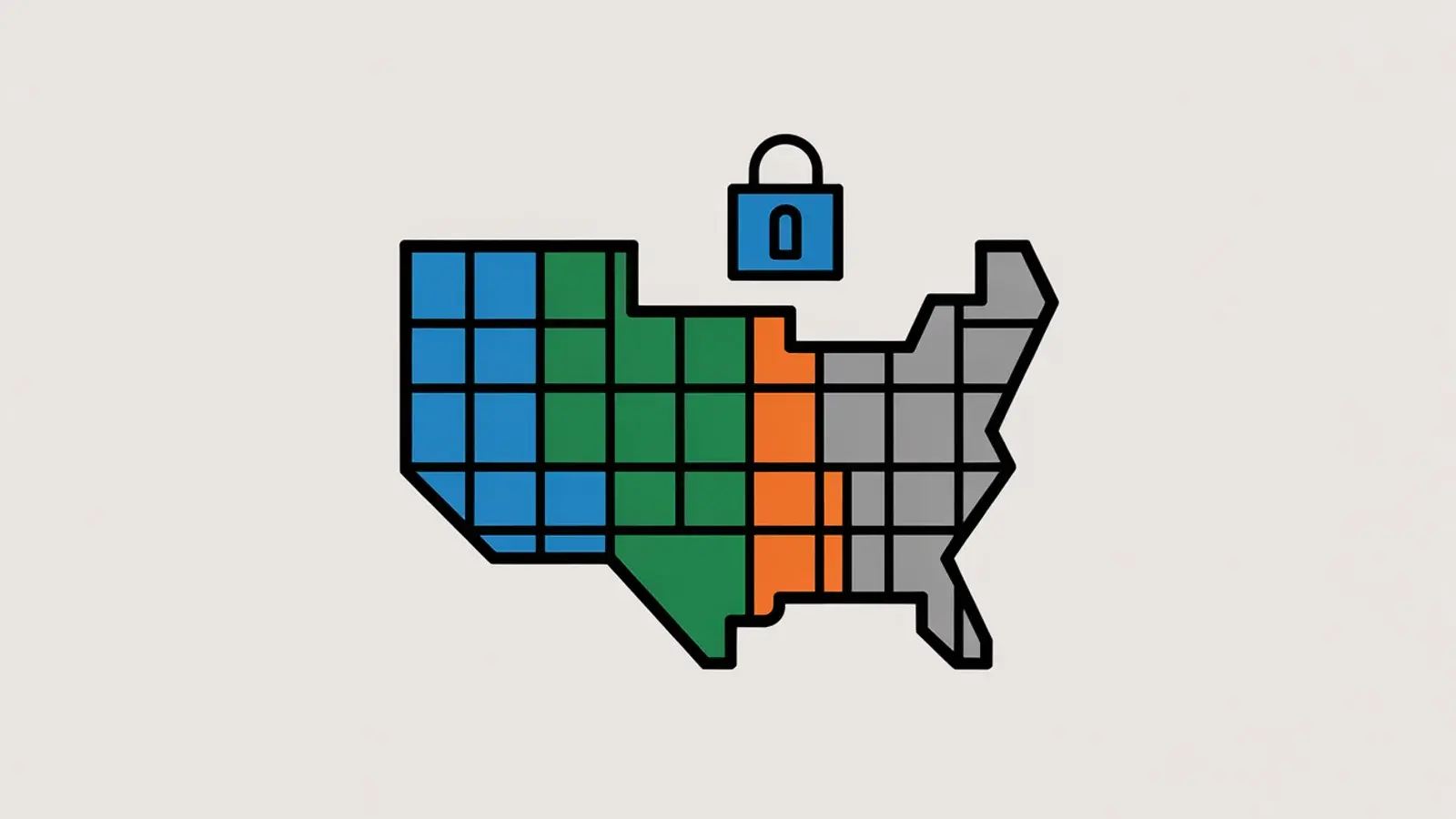
Electricity rates vary dramatically across the United States. According to EIA data (as of early 2026), here's how rates compare across selected states at a typical 1-bedroom usage of 500 kWh/month:
| State | Avg Rate (¢/kWh) | Est. Bill at 500 kWh | Deregulated? |
|---|---|---|---|
| Hawaii | ~43¢ | $215 | No |
| California | ~30¢ | $150 | Partial |
| Massachusetts | ~27¢ | $135 | Yes |
| Connecticut | ~26¢ | $130 | Yes |
| New York | ~22¢ | $110 | Yes |
| Pennsylvania | ~17¢ | $85 | Yes |
| Texas | ~14¢ | $70 | Yes |
| Ohio | ~14¢ | $70 | Yes |
| Florida | ~14¢ | $70 | No |
| Washington | ~11¢ | $55 | No |
| Idaho | ~10¢ | $50 | No |
Source: EIA average residential electricity prices, state-level data. Rates shown are approximate averages; actual rates vary by utility territory within each state.
The same 500 kWh usage costs $215/month in Hawaii and $50/month in Idaho. Location is the single biggest factor in your electricity bill.
➤Compare electricity rates in PennsylvaniaHow rates vary by city
Rates also vary within states, especially large ones. In Texas, rates in Houston may differ from Dallas or Austin. In Pennsylvania, PECO territory (Philadelphia area) has different default rates than PPL territory (Lehigh Valley) or Duquesne Light (Pittsburgh area).
In deregulated states, competitive suppliers often offer rates below the local utility's default. This creates additional city-to-city variation based on which suppliers are active in each market and how aggressively they're pricing.
When 1-bedroom bills run high
If your 1-bedroom bill consistently exceeds $100-$120/month (outside high-rate states), something specific is driving the cost:
- Old appliances:Refrigerators manufactured before 2000 can use 2-3x the electricity of modern Energy Star models. If your landlord hasn't updated the fridge in decades, that's a significant hidden cost.
- Electric heat in cold climates: Electric resistance heat is expensive. A 1-bedroom with baseboard electric heat in a cold climate can see winter bills of $150-$250.
- Always-on equipment: Gaming PCs, cryptocurrency miners, large aquariums, or multiple TVs left on can add 100-300+ kWh/month.
- Inefficient cooling: Window AC units running constantly in hot climates, especially older or undersized units, drive summer bills up dramatically.
- Phantom loads: Electronics in standby mode (TVs, game consoles, chargers) collectively draw power 24/7. In a gadget-heavy apartment, this can add 50+ kWh/month.
How to lower a 1-bedroom electric bill
Two paths to a lower bill: use less electricity, or pay less per kWh. Most people focus only on the first; the second is often more impactful.
Reduce usage
- LED lighting: Replace any remaining incandescent or CFL bulbs with LEDs. The payback is measured in months.
- Smart thermostat habits: Set AC to 78°F when home, higher when away. Each degree saves roughly 3% on cooling costs.
- Unplug or use smart strips: Kill standby loads from TVs, game consoles, and chargers when not in use.
- Cold water laundry:Heating water accounts for most of a washing machine's energy use.
- Efficient appliances: When replacing appliances, choose Energy Star models. The efficiency gains compound over years.
Reduce your rate
In deregulated states (Pennsylvania, Texas, Ohio, parts of New York, and others), you can choose your electricity supplier. The generation portion of your bill — typically 40-60% of the total — is open to competition.
Switching to a competitive supplier can reduce your generation rate by 10-30% compared to your utility's default. On a 500 kWh/month bill, saving 2¢/kWh on generation means $10/month or $120/year — often more than you'd save from usage reduction alone.
➤Compare supplier rates in your areaFrequently asked questions
Is $100/month a high electric bill for a 1-bedroom apartment?
It depends on your location and climate. $100/month is above the national average of $60-$90 for a 1-bedroom, but it's normal in high-rate states like California, Connecticut, or Hawaii. It's also typical during summer months with heavy air conditioning or winter months with electric heat. If your bill is $100+ year-round in a moderate-rate state without extreme HVAC use, something may be wrong — an inefficient appliance, phantom loads, or a billing issue.
Why is my 1-bedroom bill higher than my friend's?
Several factors cause apartment-to-apartment variation: different electricity rates (especially if you're in different utility territories or states), different appliance ages and efficiency, different thermostat settings, different habits (work-from-home vs. away all day), and whether utilities like water heating are included in rent. Also check whether your meter serves only your unit — some older buildings have shared circuits.
Does utility bundling save money on electricity?
Bundling electricity with gas, internet, or other services rarely saves money on the electricity itself. The bundled rate is typically not competitive with the best standalone electricity rates. In deregulated states, compare unbundled electricity rates from multiple suppliers against any bundled offer. The math usually favors shopping separately.
Should I get an energy audit for a 1-bedroom apartment?
A professional energy audit is usually overkill for a 1-bedroom apartment. The biggest efficiency gains — weather-stripping, LED lighting, thermostat habits — are obvious and don't require an audit to identify. If your bill seems unusually high, start by checking your appliance usage, verifying your meter reads only your unit, and comparing your rate to alternatives. An audit makes more sense for homeowners who can act on findings like insulation or window replacement.
How does my landlord's metering setup affect my bill?
Three common setups: (1) Individual meter — you have your own meter and account; your bill reflects only your usage. (2) Master meter — the landlord pays one bill for the building and allocates costs to tenants, often by square footage. (3) Submetered — a third party reads individual unit meters and bills tenants, sometimes with administrative fees added. Individual meters give you the most control; master metering removes incentive to conserve; submetering varies by state regulation.