What auto-renewal means in electricity contracts
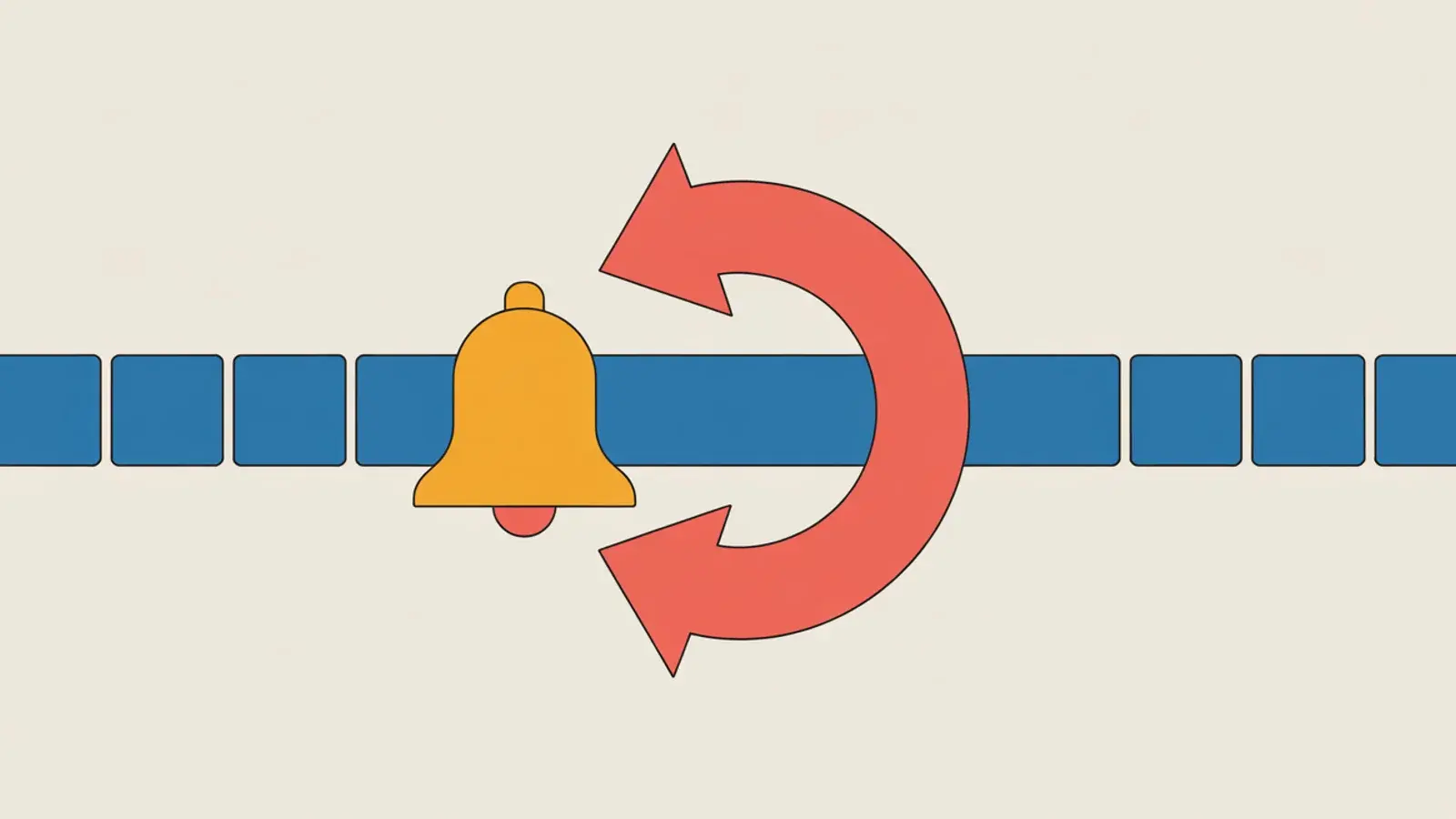
Auto-renewal is a contract clause that determines what happens when your initial term ends. Rather than requiring you to actively re-enroll, the supplier automatically continues your service under new terms — typically a month-to-month arrangement at a different (usually higher) rate.
From the supplier's perspective, auto-renewal is convenient: it prevents service gaps and reduces administrative burden. From your perspective, it can be costly: the renewal rate is almost never as good as what you could get by actively shopping.
Auto-renewal isn't hidden — it's disclosed in the Plan Information Document you agreed to when you enrolled. But most people don't remember those terms 12 months later when the clause activates.
The three common end-of-term scenarios
When your contract term ends, one of three things typically happens. Which one depends on your specific contract language.
1. Fixed-rate plan rolls to month-to-month variable (most common)
This is the standard pattern for most residential electricity contracts. Your 12-month fixed rate at 9.09¢/kWh ends, and you automatically convert to a month-to-month variable plan at the supplier's current variable rate — often 14-18¢/kWh or higher.
The variable rate isn't locked; it can change each month based on market conditions or supplier discretion. You'll continue paying this rate until you either switch to a new plan or enroll in a new fixed-rate contract with the same supplier.
2. Fixed-rate plan rolls to a new fixed-rate at supplier's discretion
Some contracts auto-renew to another fixed term — often at whatever rate the supplier is currently offering for that term length. This is less common than the variable scenario, and the renewal rate is typically not as competitive as what you'd find shopping the market.
This scenario can include an early termination fee on the new term, effectively locking you in again without your active participation. Read renewal notices carefully to understand whether a new ETF applies.
3. Plan ends cleanly and customer returns to utility default (least common)
Occasionally, a contract simply expires with no automatic renewal. You return to your utility's default service (the Price to Compare in Pennsylvania). This isn't necessarily bad — the utility rate might be competitive — but it's not the supplier's preferred outcome, so most contracts are structured to avoid it.
➤Compare plans before your contract endsWhy suppliers structure contracts this way
Auto-renewal exists because of customer inertia. Suppliers know most customers won't shop proactively when their contract ends. They'll miss the renewal notice, forget about the expiration date, or simply not prioritize the task.
When customers roll into the variable rate without action, suppliers earn significantly higher margins. A customer paying 15¢/kWh on a variable plan generates more revenue than the same customer paying 9¢/kWh on a fixed plan — and the customer acquired no new cost because they were already enrolled.
This isn't predatory in a legal sense — the terms are disclosed — but it is designed to profit from your inattention. The solution is attention: know when your term ends and act before it does.
How to spot auto-renewal language in your contract
Before signing up for any electricity plan, check the Plan Information Document for these key terms:
Look for “Renewal Terms” or “What happens at end of term”
This section will tell you exactly what rate and term type you'll roll into. Common language includes: “At the end of your initial term, your service will continue on a month-to-month basis at the supplier's variable rate.”
Check for the renewal rate disclosure
Some contracts specify the exact rate you'll pay upon renewal. Others say “the supplier's then-current variable rate,” which means you won't know the rate until renewal happens.
Note the notification requirements
The contract should specify when and how the supplier will notify you before your term ends. This is your advance warning system — but only if you actually read the notice.
The notification requirement
Most states require suppliers to notify customers before their contract term ends. The specifics vary by state, but the general pattern is a written notice 30-90 days before expiration.
The notice should include:
- When your current term ends
- What rate and term type you'll roll into
- How to avoid the auto-renewal (usually: switch suppliers or contact them to discuss other options)
Pennsylvania-specific requirements
In Pennsylvania, the PA PUC requires suppliers to provide written notice 45-90 days before your contract ends. The notice must include the renewal rate. If the supplier changes the renewal rate after sending the notice, they must send an updated notice.
These notices typically arrive by mail — mixed in with bills, junk mail, and everything else. They're easy to discard without reading. That's why relying on the notice alone isn't enough; you need your own reminder system.
What to do 30-45 days before your term ends
When your calendar reminder fires (you did set one, right?), take these steps:
1. Compare current market rates to your renewal terms
Check what fixed-rate plans are currently available in your area. Compare those rates to whatever you'll be paying after renewal. If the market offers better rates — and it usually does — switching makes sense.
2. Shop for alternative suppliers
Use your state's official comparison tool (like PA Power Switch in Pennsylvania) or a marketplace site to see all available options. Sort by rate, filter by term length and plan type.
3. Enroll with your new supplier before your current term ends
Supplier switches take 1-2 billing cycles to complete. If you initiate the switch 30-45 days before your term ends, the timing should align — you'll transition to your new supplier right around when your old contract expires.
4. Confirm the switch completed
Check your next bill to verify your new supplier is listed and the new rate is applied. If you see your old supplier still charging you (or the renewal variable rate), contact your new supplier to confirm enrollment status.
➤Shop plans in your area nowHow to set a calendar reminder that actually works
The most reliable protection against auto-renewal is a calendar reminder. Here's how to make sure it works:
Set it immediately upon enrollment
Don't tell yourself you'll remember. As soon as you enroll in a new plan, open your calendar app and create a reminder for 45 days before the term ends. If you're starting a 12-month plan today, set the reminder for 10.5 months from now.
Include key details in the reminder
Your reminder should include: your current rate, your supplier name, and a link to shop alternatives. Future-you won't remember the details; make it easy.
Set a backup reminder
Set a second reminder one week later in case you snooze the first one. Life gets busy; redundancy helps.
Consider using your phone's calendar, not your work calendar
Work calendars get cluttered with meetings. A personal calendar reminder is more likely to get your attention on the day it fires.
Frequently asked questions
What happens if I do nothing when my contract expires?
If you do nothing, the auto-renewal clause in your contract activates. Most commonly, you'll convert to a month-to-month variable rate set by your supplier — typically 30-60% higher than your original fixed rate. Your service continues uninterrupted, but you start paying more. Some contracts auto-renew to a new fixed term, but variable is more common.
Will my supplier notify me before auto-renewal?
Most states require suppliers to send renewal notices 30-90 days before your contract ends. In Pennsylvania, the requirement is 45-90 days. These notices arrive by mail or email (depending on your communication preferences) and must disclose what rate you'll pay after renewal. The problem: many customers don't read them or don't act in time.
Can I cancel right at the contract end date?
Yes, but timing matters. To switch suppliers without an early termination fee, you need to complete the enrollment with your new supplier before your current term ends. Since switching takes 1-2 billing cycles to complete, you should initiate the switch 30-45 days before your term ends. If you wait until the last day, you may briefly roll into the unfavorable renewal terms.
Is the auto-renewal rate negotiable?
Sometimes. If you call your supplier's retention department before renewal triggers, they may offer a better rate to keep your business. However, these offers are rarely as competitive as what you'd find shopping the open market. Your leverage is greatest before renewal; once you've rolled into the variable rate, you've lost the urgency that motivates retention offers.
How do I avoid auto-renewal entirely?
You can't avoid the clause in your contract, but you can avoid its consequences. When you sign up for any fixed-term plan, immediately set a calendar reminder for 45 days before the term ends. When that reminder fires, shop for a new plan and enroll before your current term expires. This proactive approach is the only reliable way to avoid rolling into unfavorable auto-renewal terms.