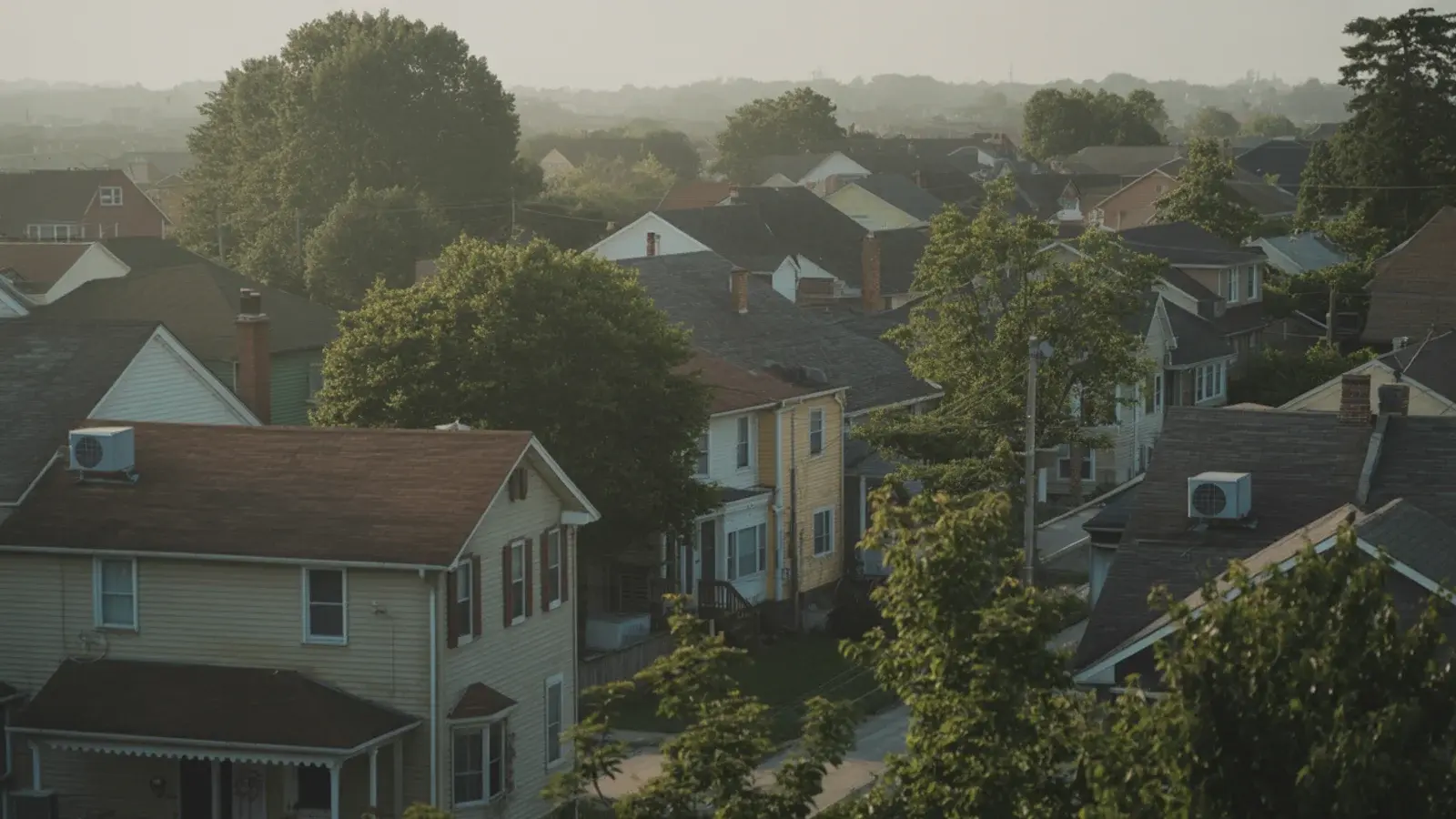

Every Pennsylvania utility's default electricity rate increases on June 1, 2026. That timing is not coincidental — it is consequential. Rate increases take effect precisely as air conditioning season begins, compounding the impact on household bills.
The combination of higher rates and higher usage means summer 2026 will be more expensive than summer 2025 for most Pennsylvania households. Here is what the numbers look like, and what you can do about it.
What changes June 1
All seven major Pennsylvania utilities update their Price to Compare (PTC) on June 1. Every one of them is going up.
| Utility | May 31 Rate | June 1 Rate | Increase |
|---|---|---|---|
| PECO | 11.024¢/kWh | 11.572¢/kWh | +5.0% |
| PPL Electric | 12.953¢/kWh | 13.147¢/kWh | +1.5% |
| Met-Ed | 12.965¢/kWh | 13.951¢/kWh | +7.6% |
| Duquesne Light | 13.75¢/kWh | 14.14¢/kWh | +2.8% |
| Penelec | 11.747¢/kWh | 13.142¢/kWh | +11.9% |
| Penn Power | 12.606¢/kWh | 13.477¢/kWh | +6.9% |
| West Penn Power | 10.947¢/kWh | 12.075¢/kWh | +10.3% |
The increases range from 1.5% (PPL) to 11.9% (Penelec). West Penn Power, which currently has the lowest rate in the state, faces a 10.3% jump that will push it above PECO.
The timing matters because June 1 is when cooling demand begins in earnest. Households that might use 850 kWh in April or October will use 1,100 to 1,400 kWh in July and August. Rate increases multiply across those additional kilowatt-hours.
What summer usage typically looks like
Pennsylvania's statewide average household electricity consumption is roughly 850 kWh per month. That average masks significant seasonal variation.
Summer months — June through August — typically see consumption rise to 1,100-1,400 kWh for households with central air conditioning. The drivers:
Air conditioning. This is the largest single factor. A central AC unit running several hours daily can add 300-600 kWh to monthly consumption depending on home size, insulation quality, and thermostat settings.
Longer days. More daylight hours mean more time with lights on, more entertainment and computing, and more time at home during peak heat.
Secondary cooling. Ceiling fans, portable fans, and dehumidifiers add incremental load even when AC cycles off.
Housing stock matters. Older homes with poor insulation, single-pane windows, or undersized HVAC systems work harder to maintain comfort. A 1950s home in Philadelphia might use 40% more electricity than a 2010s home of the same size.
For planning purposes, assume summer usage of 1,200 kWh per month if you have central air conditioning. Households without AC will see less seasonal variation.
Estimated summer bill impact by utility
Here is what the supply portion of your bill will look like at summer usage levels (1,200 kWh/month) under both the June PTC and the cheapest available competitive rate:
| Utility | June PTC Bill | Cheapest Rate Bill | Monthly Savings |
|---|---|---|---|
| PECO | $138.86 | $109.08 | $29.78 |
| PPL Electric | $157.76 | $125.40 | $32.36 |
| Met-Ed | $167.41 | $137.88 | $29.53 |
| Duquesne Light | $169.68 | $129.48 | $40.20 |
| Penelec | $157.70 | $125.88 | $31.82 |
| Penn Power | $161.72 | $135.48 | $26.24 |
| West Penn Power | $144.90 | $113.88 | $31.02 |
These figures represent only the supply portion of your bill. Delivery charges from your utility add another $50-80 depending on usage and utility. Total summer bills for households with central AC will typically run $200-250 per month.
The savings opportunity is substantial. Switching to a competitive supplier before summer could save $26-40 per month during peak usage months — roughly $80-120 over the June-August period alone.
What you can do before bills peak
The most effective action is switching to a competitive supplier before June 1. The math is straightforward: every day you remain on the default rate during summer costs more than it would in shoulder months.
Switch before June 1 if possible. Supplier switches typically take one to two billing cycles to process. If you enroll in late May, your switch may complete by mid-June — missing only part of the first high-usage month. If you wait until July, you will pay the higher PTC for most of summer.
The math of waiting. A Duquesne Light customer using 1,200 kWh per month who switches June 1 saves approximately $120 over the summer. The same customer who waits until August 1 saves only $40. Timing matters.
Compare rates for your specific ZIP code. Competitive rates vary by utility territory. The cheapest rate in PECO territory (9.09¢) is not available in Duquesne Light territory, where the cheapest is 10.79¢. Browse plans for your utility: PECO, PPL, Met-Ed, Duquesne Light, Penelec, Penn Power, West Penn Power.
Demand reduction helps at the margin. Setting your thermostat 2-3 degrees higher, using ceiling fans to supplement AC, and avoiding running major appliances during peak afternoon hours all reduce consumption. These tactics are secondary to rate shopping — they might save 50-100 kWh per month — but every kilowatt-hour counts when rates are high.
For step-by-step switching instructions, see our guide to switching suppliers in Pennsylvania.
What makes this summer harder than usual
Summer 2026 arrives after a year of structural rate increases driven by factors beyond normal seasonal patterns.
PJM capacity auction aftermath. The 2024 PJM capacity auction cleared at $269.92 per megawatt-day, an 833% increase over the prior year. The 2025 auction pushed even higher to $329.17. These costs flow through to retail rates with a lag — what you are seeing in June 2026 PTCs reflects auction results from 2024.
Data center demand. PJM's grid now serves rapidly growing data center load, particularly in northern Virginia but increasingly throughout the region. This demand growth tightens supply-demand balance and contributes to higher wholesale prices. Summer peaks — when both residential AC and commercial cooling demand are high — feel this pressure most acutely.
Coal and nuclear retirements. Baseload generation retirements have reduced reserve margins across PJM territory. Less supply cushion means higher prices when demand spikes.
Further increases are likely. The September 1 PTC updates will reflect continued pressure from these structural factors. Households that switch to fixed-rate competitive plans now lock in current rates regardless of what PTCs do in fall and winter.
What does not change
Despite the rate increases, several fundamentals remain constant:
Your utility still handles delivery. Whether you stay on the default rate or switch to a competitive supplier, PECO, PPL, or your local utility still delivers your electricity, maintains the grid, and responds to outages. Switching suppliers does not change who shows up when the power goes out.
Switching is free and reversible. There is no cost to switch suppliers in Pennsylvania. If you are unhappy with a competitive supplier, you can switch again or return to the utility default rate without penalty (though some plans have early termination fees — read the contract).
Your bill structure stays the same. You receive one bill from your utility that includes both supply charges (from your supplier or the default rate) and delivery charges (from the utility). The mechanics do not change.
FAQ
How much higher will my summer electric bill be than last summer?
Expect 10-20% higher supply costs compared to summer 2025, combining rate increases (1.5-11.9% depending on utility) with potentially similar usage. If you switch to a competitive supplier, you can offset most or all of the increase.
Should I switch suppliers now or wait until fall?
Switch now. Summer usage is when the rate differential matters most. A household using 1,200 kWh saves $30-40 per month by switching — that is $90-120 over the summer. Waiting until September means missing the highest-savings months.
Will rates go down after summer?
Unlikely. The structural factors driving rate increases — PJM capacity costs, generation retirements, demand growth — are not seasonal. Fall 2026 PTCs may increase further. Fixed-rate competitive plans protect against future increases for their contract term.
Does using less electricity help if rates are going up anyway?
Yes, but rate shopping helps more. Reducing usage by 10% saves about $15-17 per month at summer rates. Switching to a competitive supplier saves $26-40 per month without any behavior change. Do both if possible, but prioritize rate shopping.