Learning Center
Electricity guides
Plain-language explainers on how deregulated electricity markets work, how to compare suppliers, and how to find a better rate than your utility's default. We're live in Pennsylvania and expanding across deregulated states.
Reviewed by Volt Butler editorial team · Updated June 2026 · EIA-cited · State PUC-sourced

More guides

Power to Choose, Texas: What It Is and How to Use It
Power to Choose is the official PUCT electricity-shopping site for Texas. A plain-English guide to using it well — and the gotchas (bill credits, teaser rates, fees) it doesn't flag.

Free Nights & Weekends Electricity in Texas
Free nights and weekends plans sound great, but the paid-hour rate is higher to make up for it. The honest math on who actually saves — and who quietly pays more.
Same-Day Electricity in Texas
Need the lights on today? In most of Texas, same-day service is an enrollment-speed question, not a construction one. How it works, what you need, and how to do it with no deposit.

Pennsylvania Price to Compare Explained
The Price to Compare is the single most important number when shopping for electricity in Pennsylvania. It's your utility's default generation rate — the benchmark to beat.

Pennsylvania Electricity Deregulation Explained
The history of PA's deregulated electricity market and what it means for consumers choosing suppliers today.

How to Switch Electricity Suppliers in PA
A step-by-step walkthrough of the switching process, from finding your current rate to enrolling with a new supplier.

Green Energy Plans in Pennsylvania
How renewable energy plans work, what RECs are, and what to watch for when choosing a green electricity supplier.

How to Save on Your Electricity Bill
Two paths to lower bills: shopping for a better rate vs. reducing usage. What works and where to focus.

When to Switch Electricity Providers
Signs it's time to shop, when to stay put, and how often you should re-evaluate your rate.

Understanding Your Electricity Bill
What each line item means, generation vs. delivery explained, and how to spot billing errors.

Fixed vs Variable Electricity Rates
When each rate type makes sense, how rates are set, and math at average usage levels.

How to Read a Plan Information Document
Understanding electricity contract disclosures. Learn what each section means and how to spot red flags before signing up.

Early Termination Fees in Electricity Contracts
What ETFs are, typical amounts by contract length, how to avoid them, and when paying the fee makes financial sense.

What Are Renewable Energy Certificates (RECs)?
How RECs work, what they mean for green electricity plans, and how to evaluate the environmental impact of your energy choices.
Time-of-Use Electricity Rates Explained
How TOU rates work, when peak and off-peak hours occur, and strategies to shift usage and save money.
Common Electricity Switching Mistakes to Avoid
Seven errors to avoid when shopping for an electricity provider: teaser rates, hidden fees, contract traps, and more.

How to Avoid Electricity Scams and Slamming
Recognize scams, protect yourself from slamming, and know your consumer rights in deregulated markets.

Variable Rate Plans — When They Make Sense
When variable rates work and when they don't. The honest analysis for short-term residents and flexible shoppers.
Auto-Renewal Clauses Explained
What happens when your electricity contract ends and how to avoid surprise rate increases.
What Happens When Your Supplier Goes Out of Business
Your power doesn't stop. Learn what happens when a supplier exits the market and what you need to do.

Effective Rate vs Advertised Rate
The math that exposes teaser rates and hidden fees. Calculate the true cost of any electricity plan.
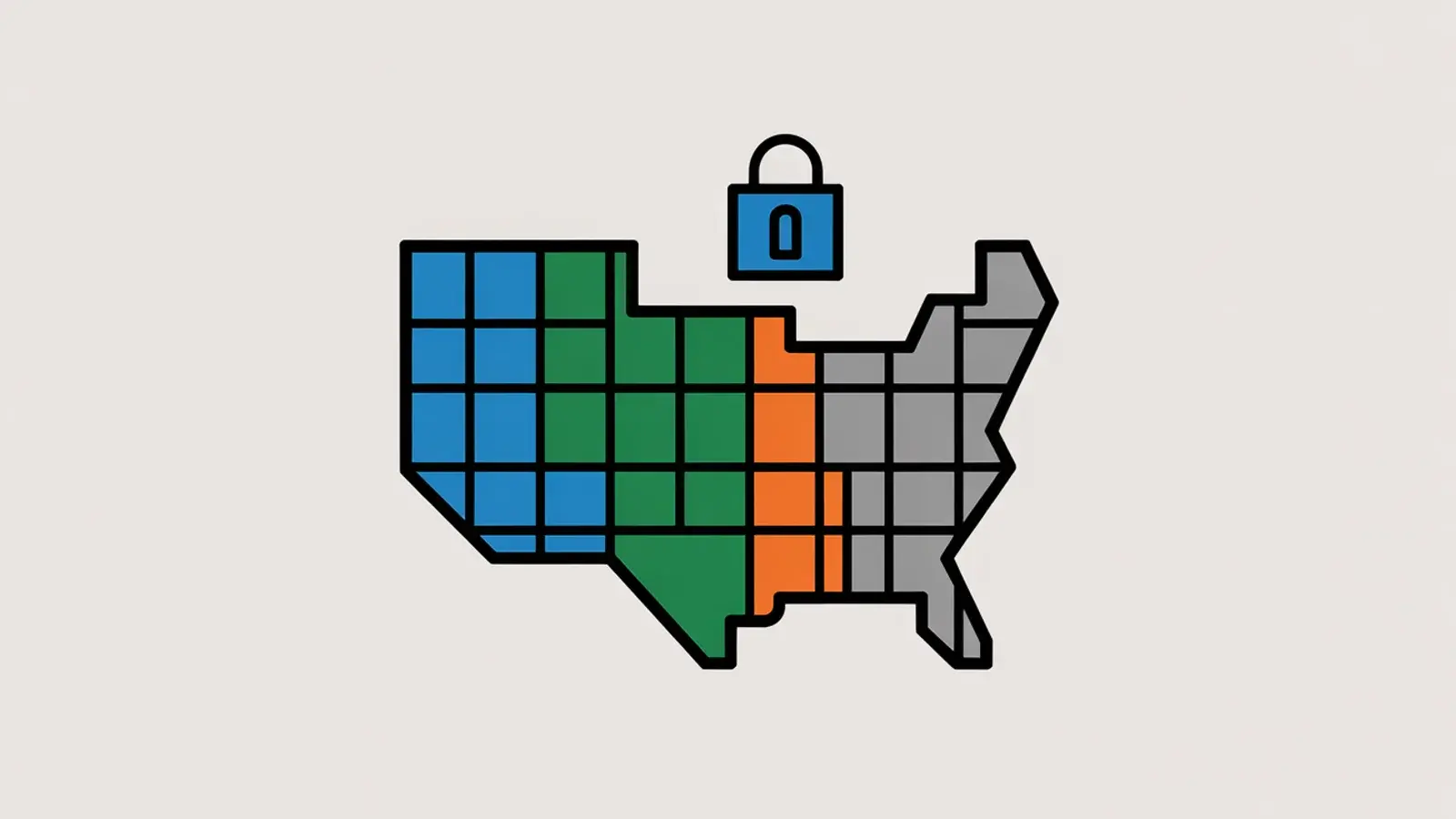
Electricity Deregulation by State
Which states have electricity choice, which don't, and what deregulation means for consumers in each market.

How Wholesale Electricity Markets Work
Understand ISOs, RTOs, and how the prices generators charge eventually affect the rates you pay.
How Smart Meters Affect Your Electricity Choices
What smart meters are, how they differ from traditional meters, and what they enable for time-of-use rates and demand response.

Demand Charges on Electricity Bills Explained
What demand charges are, how they differ from kWh charges, who pays them, and strategies for managing peak demand.
Solar Net Metering Explained
How net metering works, how credits are calculated, state-by-state variations, and why policies are changing.

What to Do When Your Bill Suddenly Spikes
Step-by-step troubleshooting for unexpected high bills: estimates vs actual reads, rate changes, appliance faults, and disputes.

How Electricity Rates Are Set
How utility rate cases work, how wholesale markets form prices, and how retail suppliers set their rates.

Electricity Industry Glossary
50+ electricity terms defined: kWh, demand charges, deregulation, net metering, capacity markets, RTOs, and more.
Average Electric Bill for a 1-Bedroom Apartment
The average 1-bedroom apartment electric bill is $60-$90/month. See usage breakdowns, state-by-state rates, and savings tips.

Average Electric Bill for a 2-Bedroom Apartment
The average 2-bedroom apartment electric bill is $90-$140/month. Roommate usage patterns, state rates, and cost-saving strategies.

Average Electric Bill for a 3-Bedroom Home
The average 3-bedroom home electric bill is $130-$200/month. Family usage patterns, state-by-state comparison, and ways to reduce costs.
Average Electric Bill by State
All 50 states ranked by average electricity cost. See how your state compares and where deregulation creates savings opportunities.

How Much Does Electricity Cost Per Month?
The average U.S. household pays $130-$150/month for electricity. Learn what drives your cost and how to estimate your bill.
PA Power Switch: Complete Guide
PA Power Switch is Pennsylvania's official electricity shopping tool. Learn how to use it, its limitations, and how to shop effectively.
How Much Electricity Does a TV Use?
A typical TV uses 50-200 watts, costing $2-$6/month. Complete breakdown by TV size and type with energy-saving tips.

How Much Electricity Does a Refrigerator Use?
A modern refrigerator uses 350-700 kWh/year, costing $60-$120 annually. Compare costs by fridge type, size, and age.
How Much Electricity Does a Space Heater Use?
A typical space heater uses 1,500 watts, costing $0.26/hour. Learn when space heaters save money vs. central heat.
Skip the reading — see live rates
Enter your ZIP to compare suppliers in your area.
Free · No obligation · Licensed suppliers
Quick answers
- How much can I save by switching electricity suppliers?
In deregulated states, any licensed supplier rate below your utility's default rate (called the Price to Compare in Pennsylvania, or "default service rate" in other markets) saves you money on the generation portion of your bill, every month. Actual savings depend on your specific utility and the offers available in your area.
Read: Pennsylvania Price to Compare Explained- Is switching electricity suppliers safe? Will my power get interrupted?
Switching is safe and there's no interruption. Your local utility still delivers your power over the same wires and handles all outages and maintenance, regardless of which supplier you choose. Only the generation charge on your bill changes.
Read: How to Switch Suppliers in PA- What is the Price to Compare?
In Pennsylvania, the Price to Compare is your utility's default rate for the generation portion of your bill — the benchmark to beat. Other deregulated states have similar concepts under different names (e.g., "default service rate," "standard offer").
Read: Pennsylvania Price to Compare Explained- Are green energy plans really renewable?
Most green plans fund renewable generation through Renewable Energy Credits (RECs). Your specific electrons don't change, but the overall grid mix shifts toward renewables. State renewable standards (like Pennsylvania's AEPS) shape what counts as renewable.
Read: Green Energy Plans in Pennsylvania- How long does it take to switch electricity suppliers?
Enrollment takes a few minutes online. The actual switch completes in 1-2 billing cycles with no service interruption — the timing is consistent across most deregulated states.
Read: How to Switch Suppliers in PA
Ready to compare rates?
Enter your ZIP code to see available suppliers and current rates for your area.
Free comparison · PUC-licensed suppliers · EIA-cited data